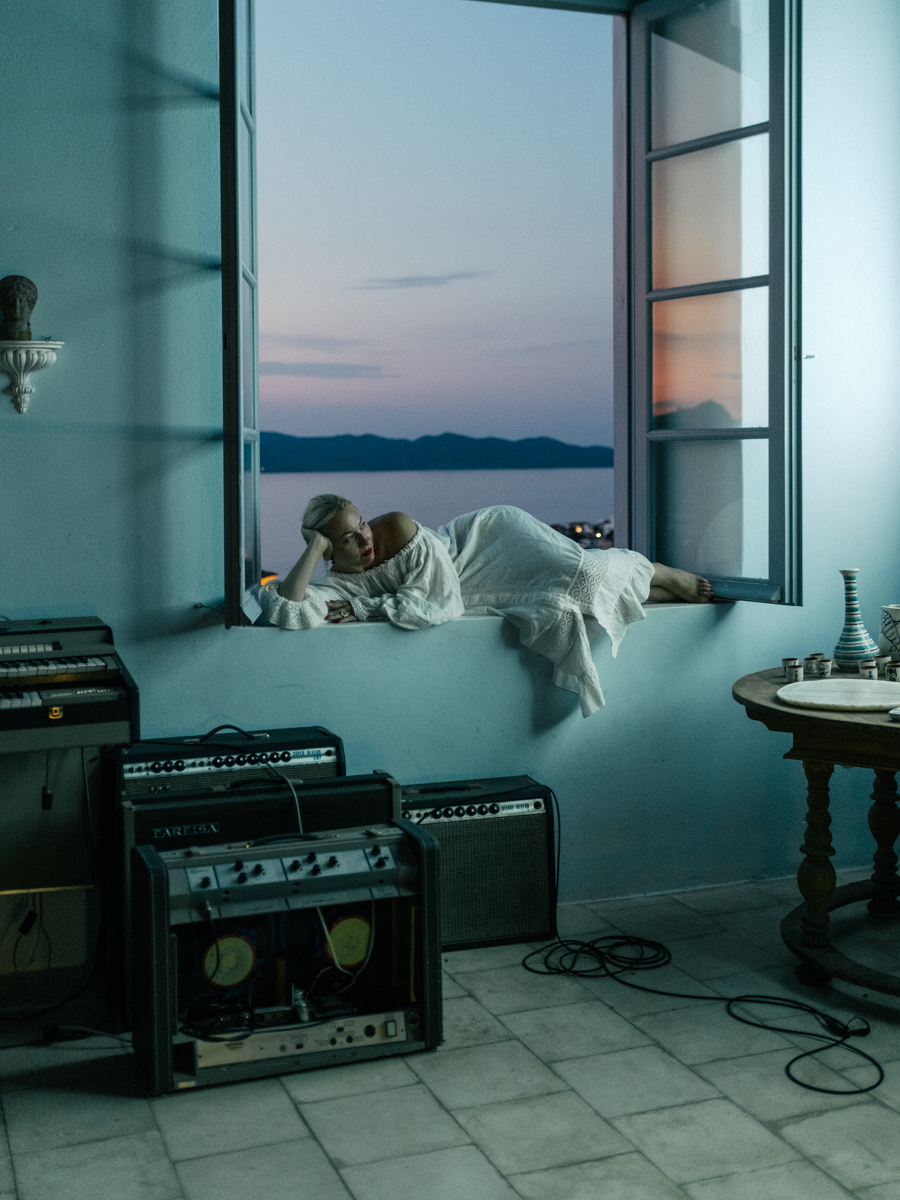
Every summer, the historic Old Carpet Factory mansion on Hydra opens its doors fto the public presenting a rare opportunity to step inside one of the island’s most storied private residences. Held during DESTE Art Week, Old Carpet Factory Open House invites artists, writers, musicians, filmmakers and the local community for a series of events in the 18th-century mansion, once a carpet factory and now home to a recording studio and artist residency.
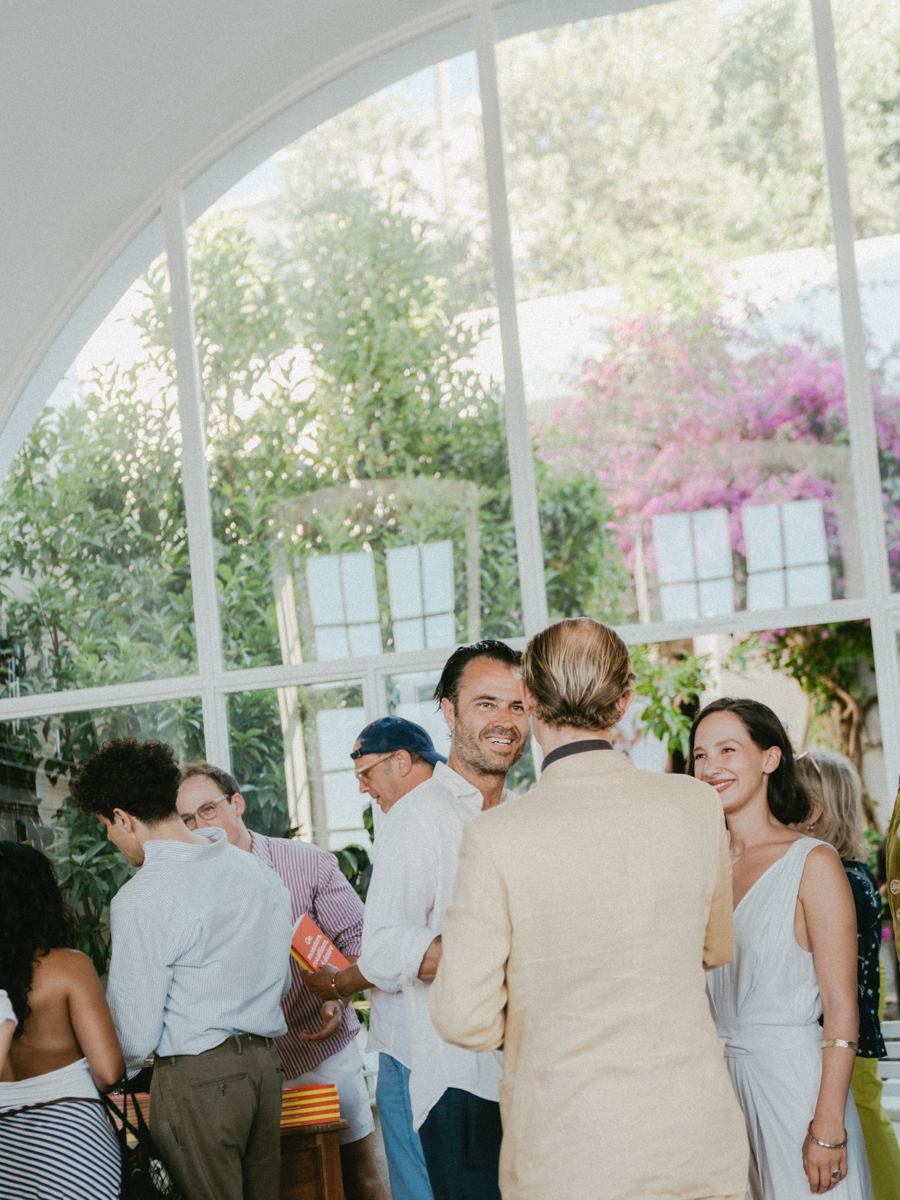
Architect Marilia Lezou & filmmaker Tristan Tancredi de Paoli
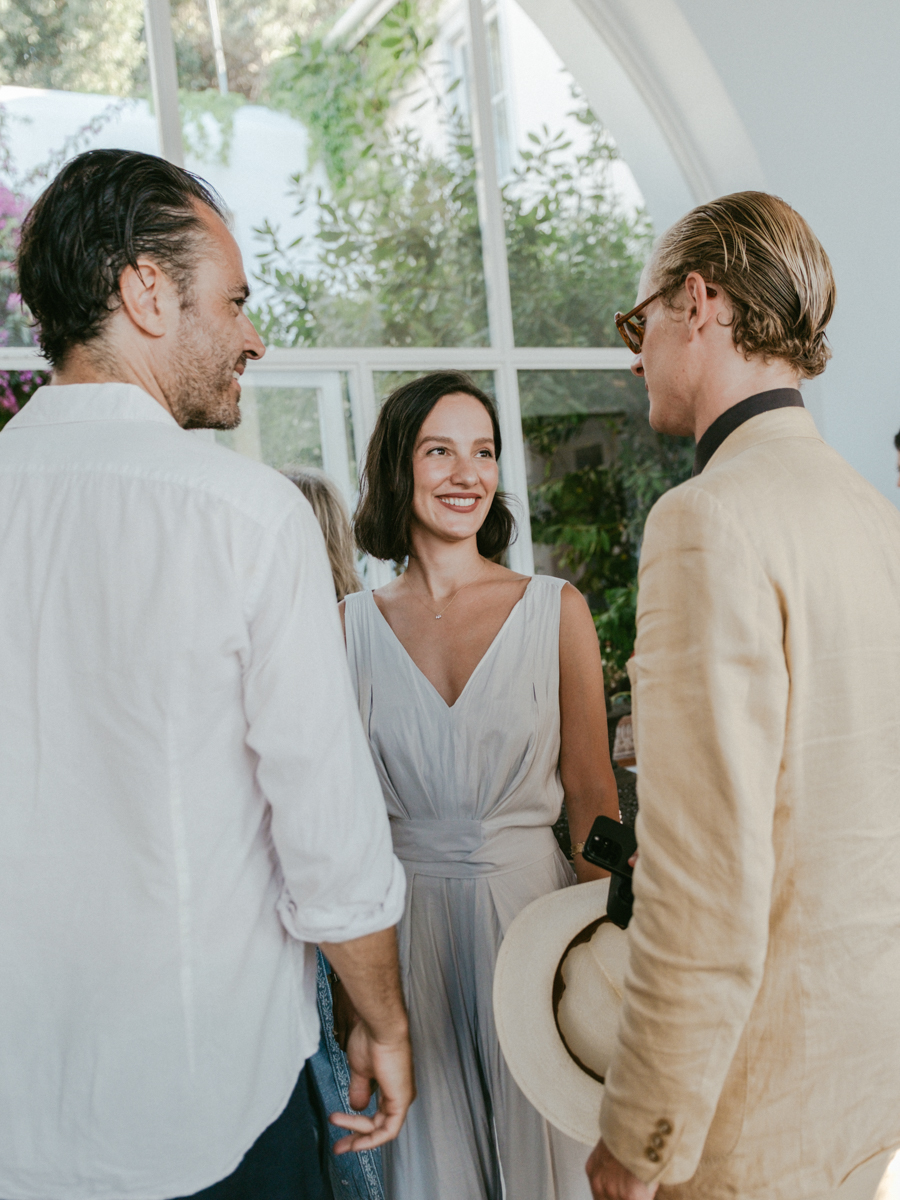
Hosted by the mansion’s current owner, music producer and collector Stephan Colloredo-Mansfeld, with cultural programming curated by Ekaterina Juskowski, this year’s Open House considered place not merely as a setting, but as an active catalyst for creative exchange. The program opened with Opuntia, a site-specific installation by the marble atelier on•entropy, founded by Niki and Zoe Moskofoglou, whose sculptural forms invited visitors into a tactile dialogue with the mansion’s layered histories of material, sound, and craftsmanship.
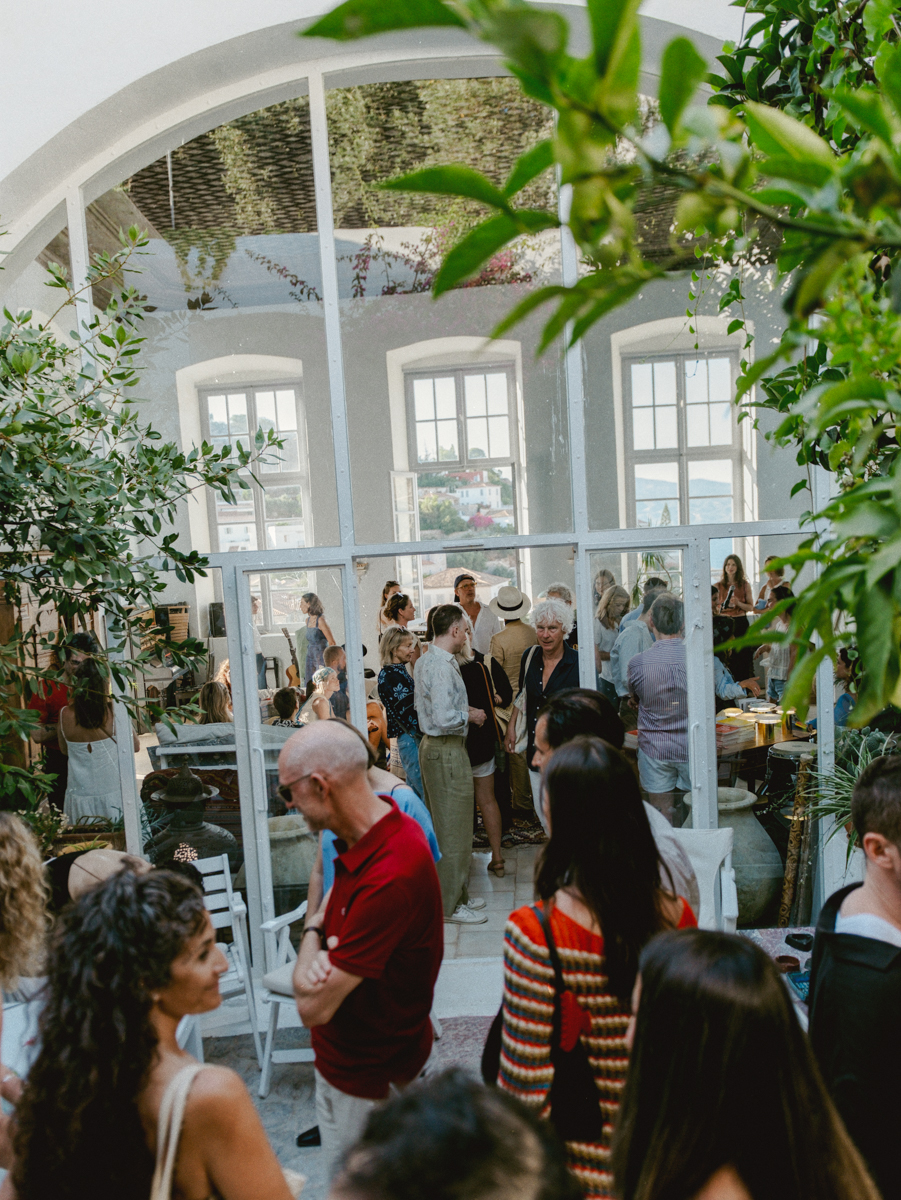
Old Carpet Factory Open House
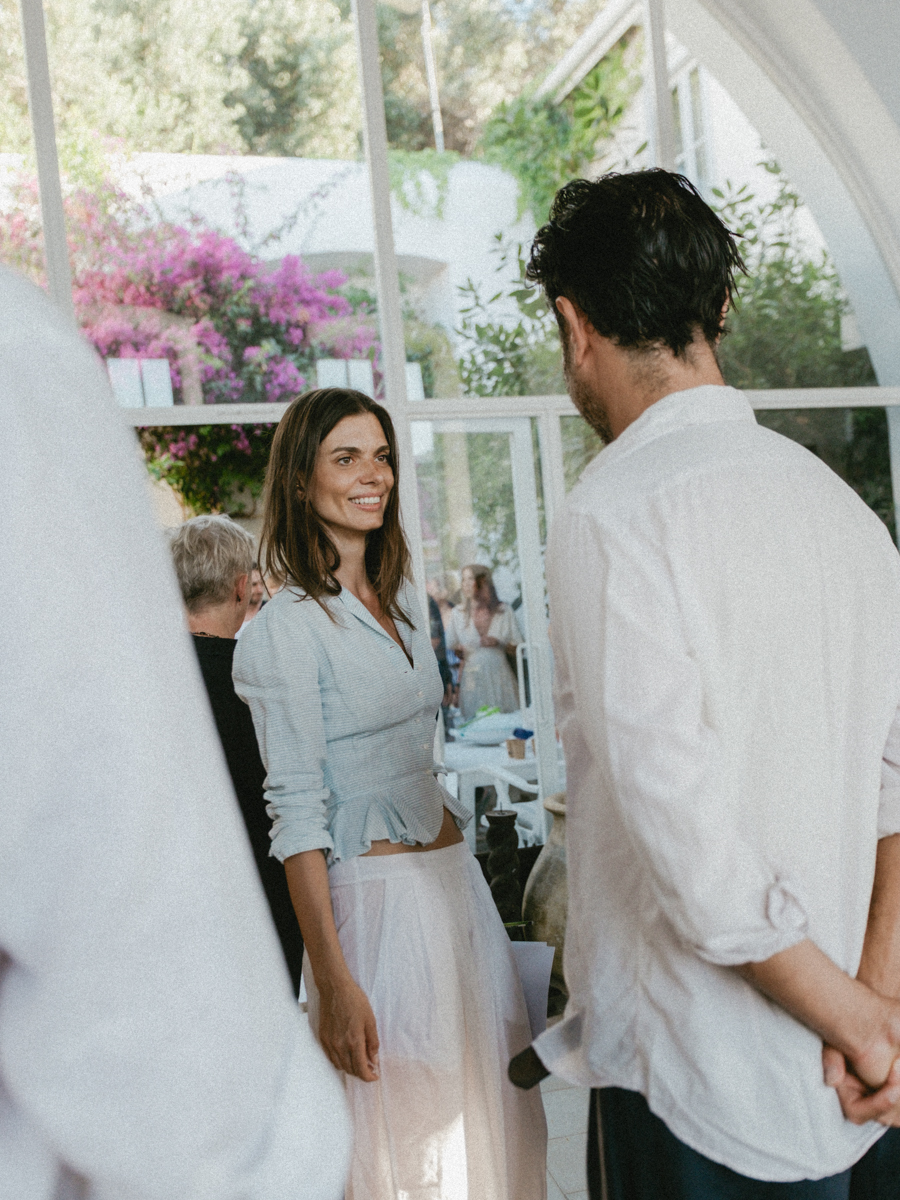
Curator Ekaterina Juskowski
Beyond the mansion, at Bellevalia Olive Grove, photographer Stefan Dotter presented a preview of Belonging(s), an ongoing project exploring identity, ownership, and attachment through possessions temporarily displaced from their familiar surroundings and carried across Hydra. Literary readings by Makis Malafekas, Hunter Dukes, and guest writers extended these questions into language, while a special evening with writer, musician, filmmaker, and actor Andrew Kamel brought film and live music into the program.
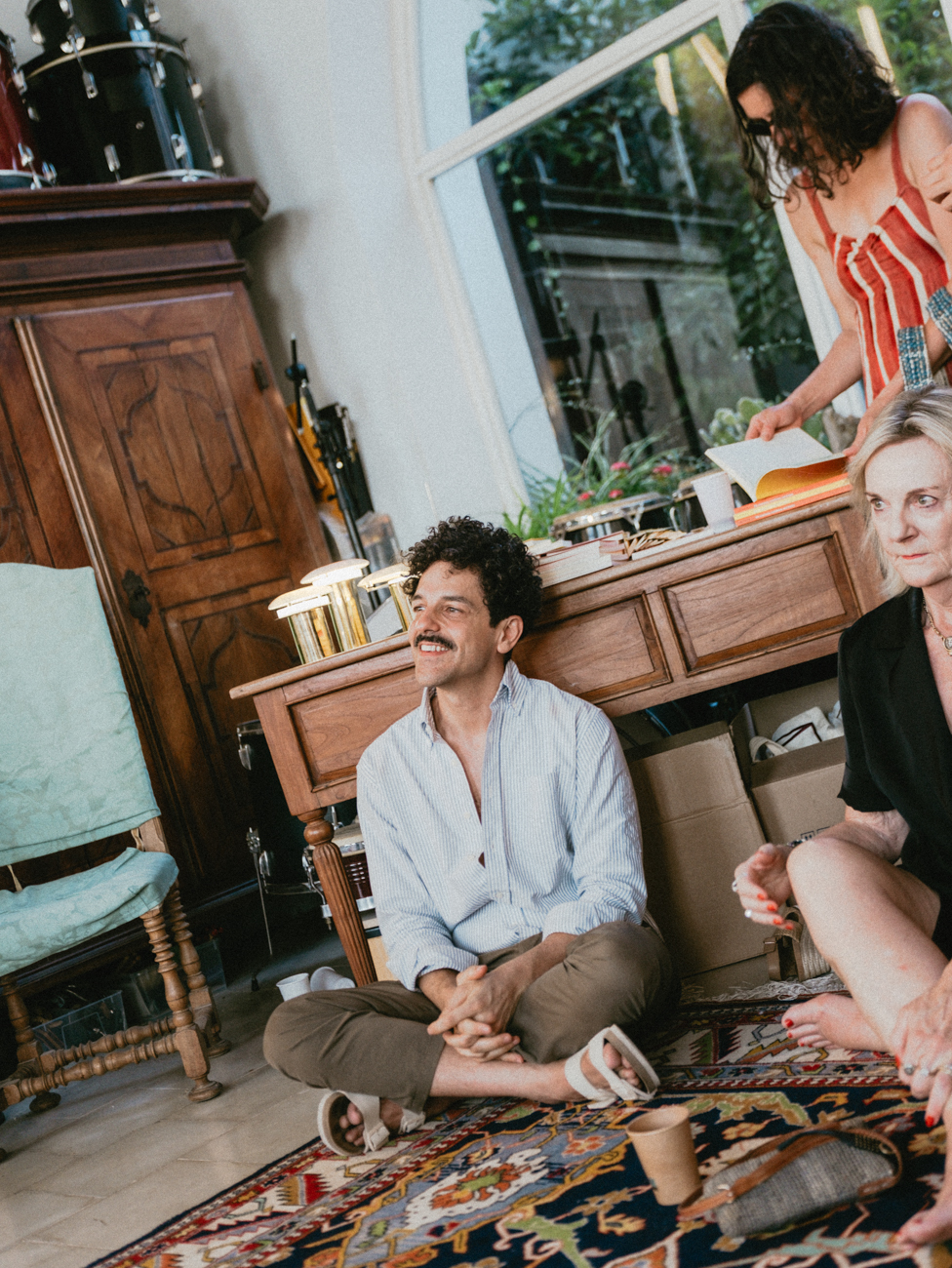
Dimi Veroukas, publisher of of GLOTTA
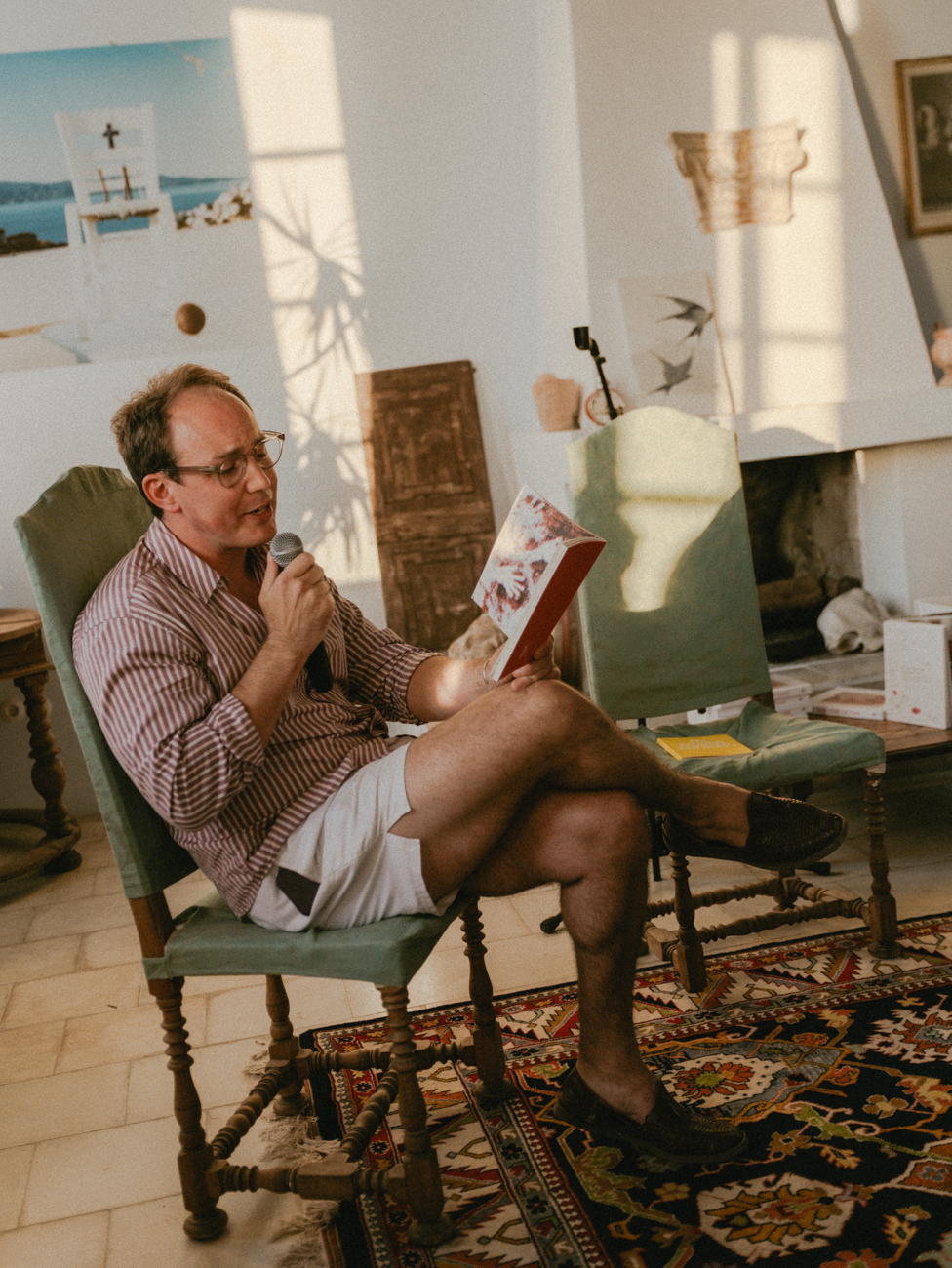
Hunter Dukes, the founding editor of GLOTTA, presenting its second edition
In a broader art-historical reassessment of ceramics as a major artistic medium. For centuries, ceramics occupied an uncertain position between fine art, craft, ritual object, and utilitarian design. During the twentieth century, this distinction increasingly dissolved as artists recognized clay as a medium capable of addressing fundamental aesthetic and philosophical questions. Figures such as Pablo Picasso, Joan Miró, and Bernard Leach approached ceramics as a means of reconnecting modern art with touch, transformation, and material immediacy. Their engagement expanded the status of clay, establishing it as a serious site of artistic and intellectual inquiry.
Vessels proposes a dialogue between biological and cultural time, between the endurance of nature and the endurance of artifacts. Istead of opposing nature and culture, it reveals their mutual entanglement. Ultimately, the exhibition itself becomes a vessel or a receptive space in which objects and histories come together. An inquiry into one of humanity's oldest conceptual forms. The vessel appears here as a model for understanding how meaning takes form in the world.
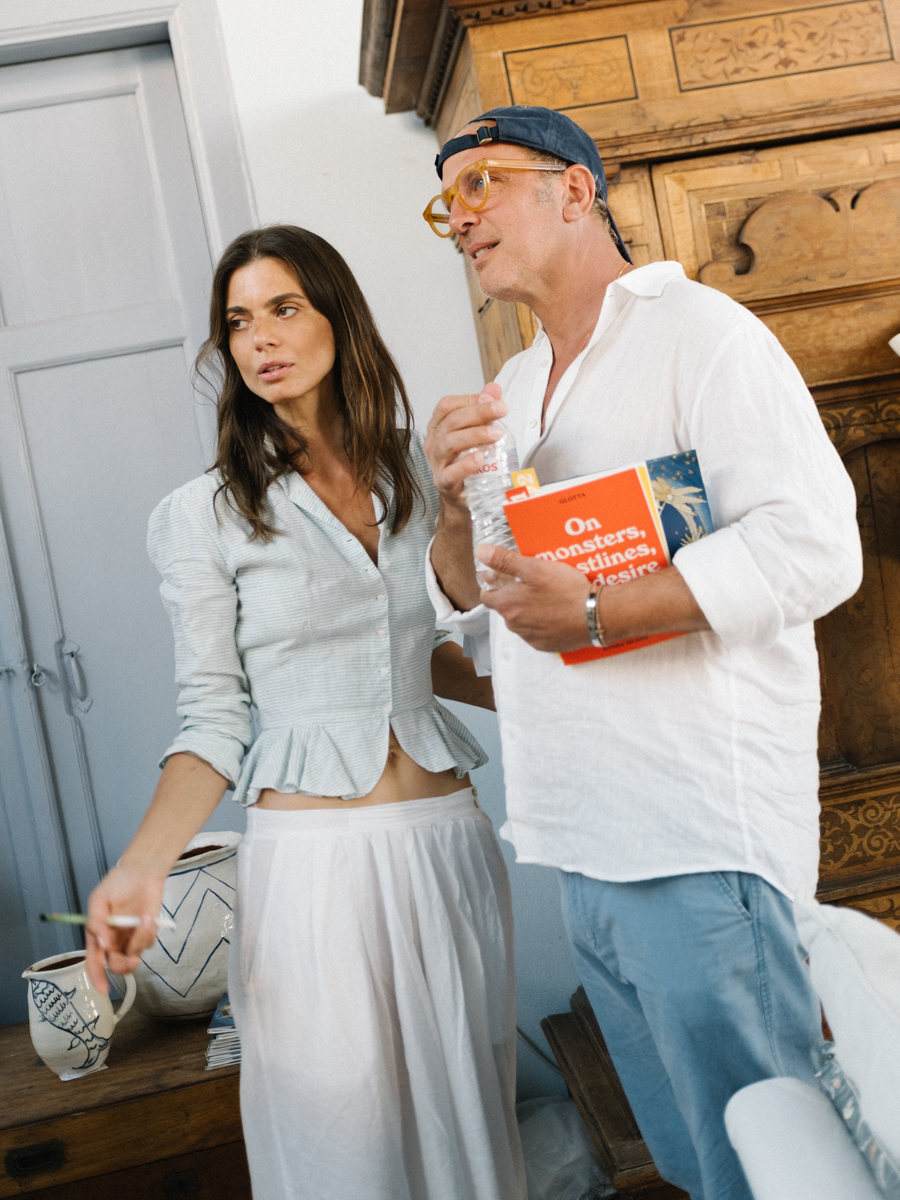
Curator Ekaterina Juskowski and journalist Artico Gelmi Di Caporiacco
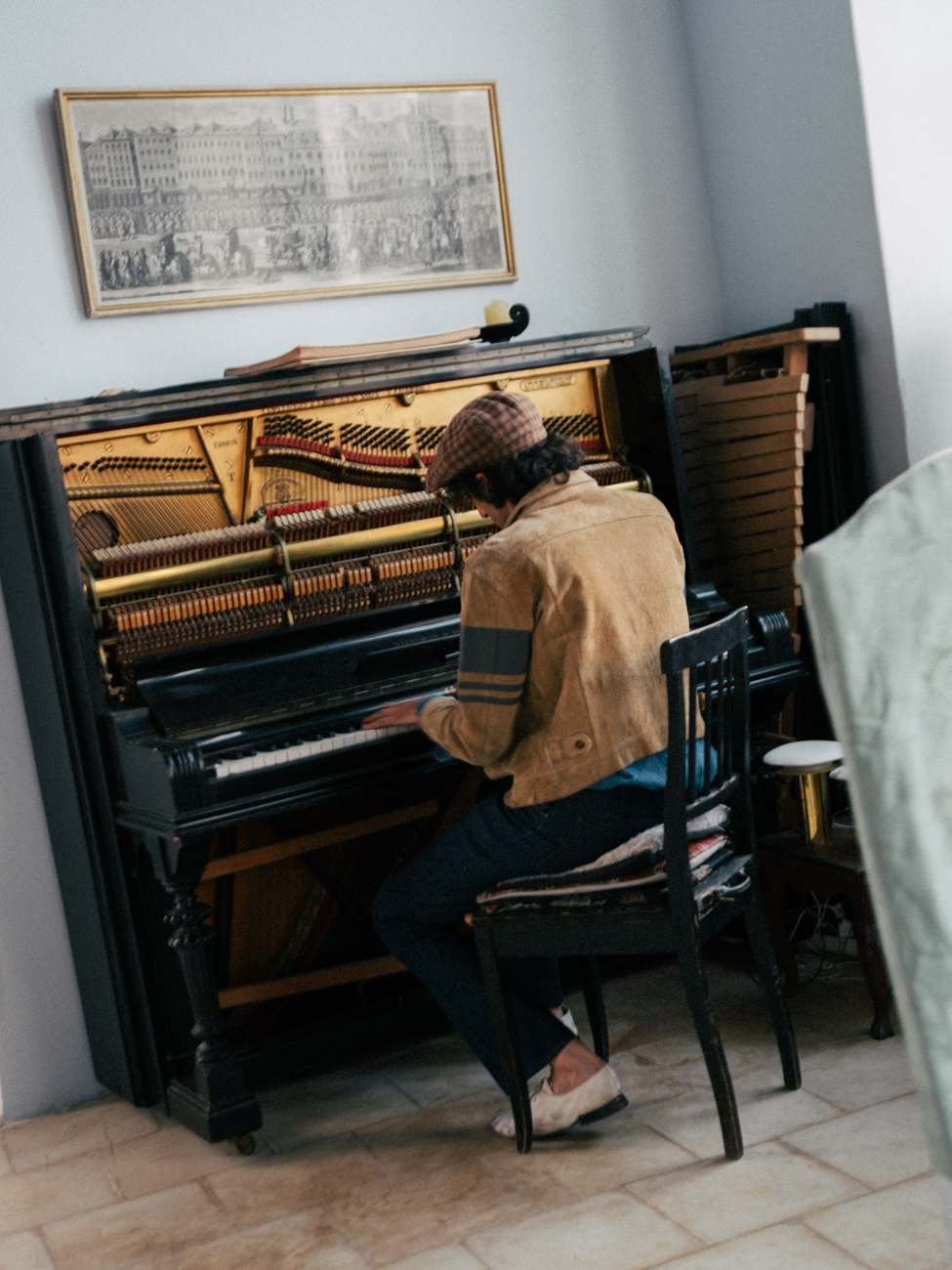
Filmmaker and musician Andrew Camel
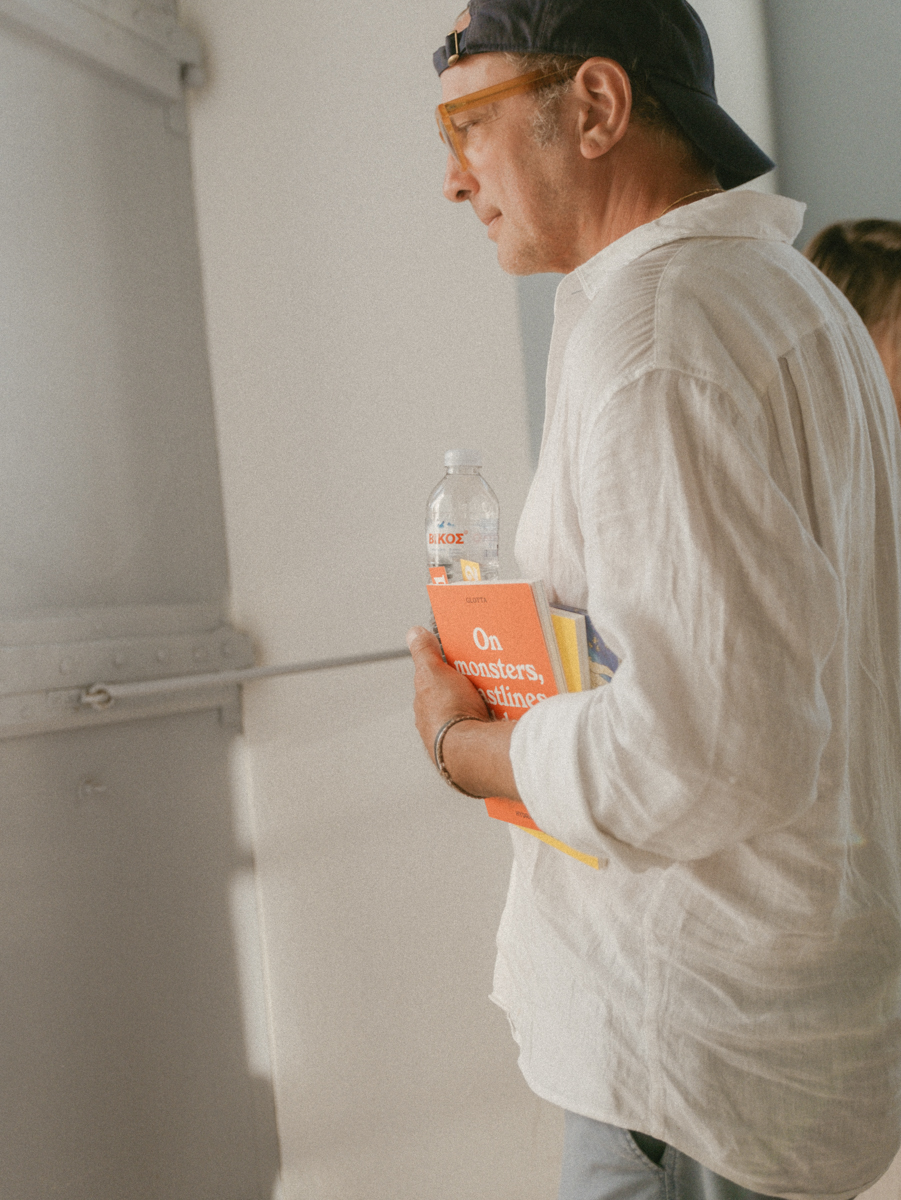
Journalist Artico Gelmi Di Caporiacco
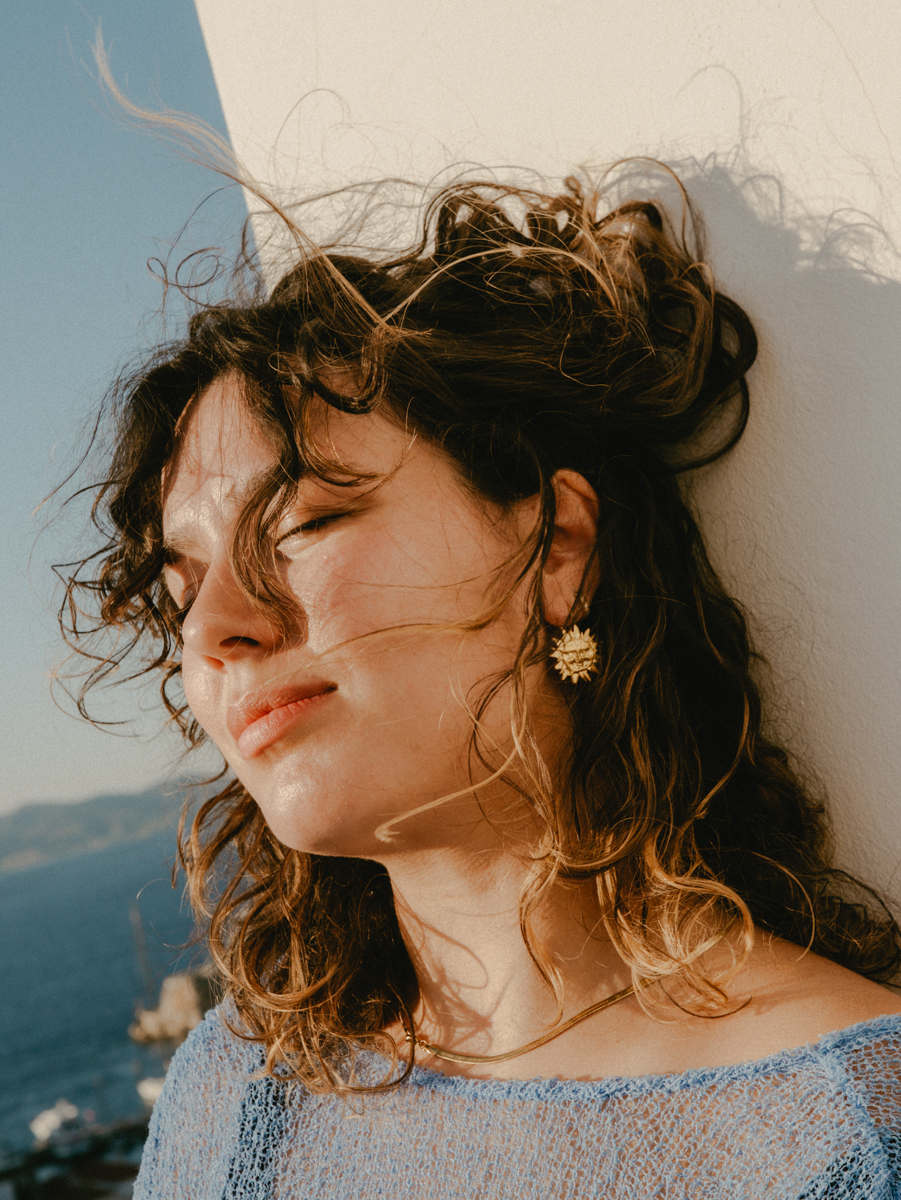
In a broader art-historical reassessment of ceramics as a major artistic medium. For centuries, ceramics occupied an uncertain position between fine art, craft, ritual object, and utilitarian design. During the twentieth century, this distinction increasingly dissolved as artists recognized clay as a medium capable of addressing fundamental aesthetic and philosophical questions. Figures such as Pablo Picasso, Joan Miró, and Bernard Leach approached ceramics as a means of reconnecting modern art with touch, transformation, and material immediacy. Their engagement expanded the status of clay, establishing it as a serious site of artistic and intellectual inquiry.
Vessels proposes a dialogue between biological and cultural time, between the endurance of nature and the endurance of artifacts. Istead of opposing nature and culture, it reveals their mutual entanglement. Ultimately, the exhibition itself becomes a vessel or a receptive space in which objects and histories come together. An inquiry into one of humanity's oldest conceptual forms. The vessel appears here as a model for understanding how meaning takes form in the world.
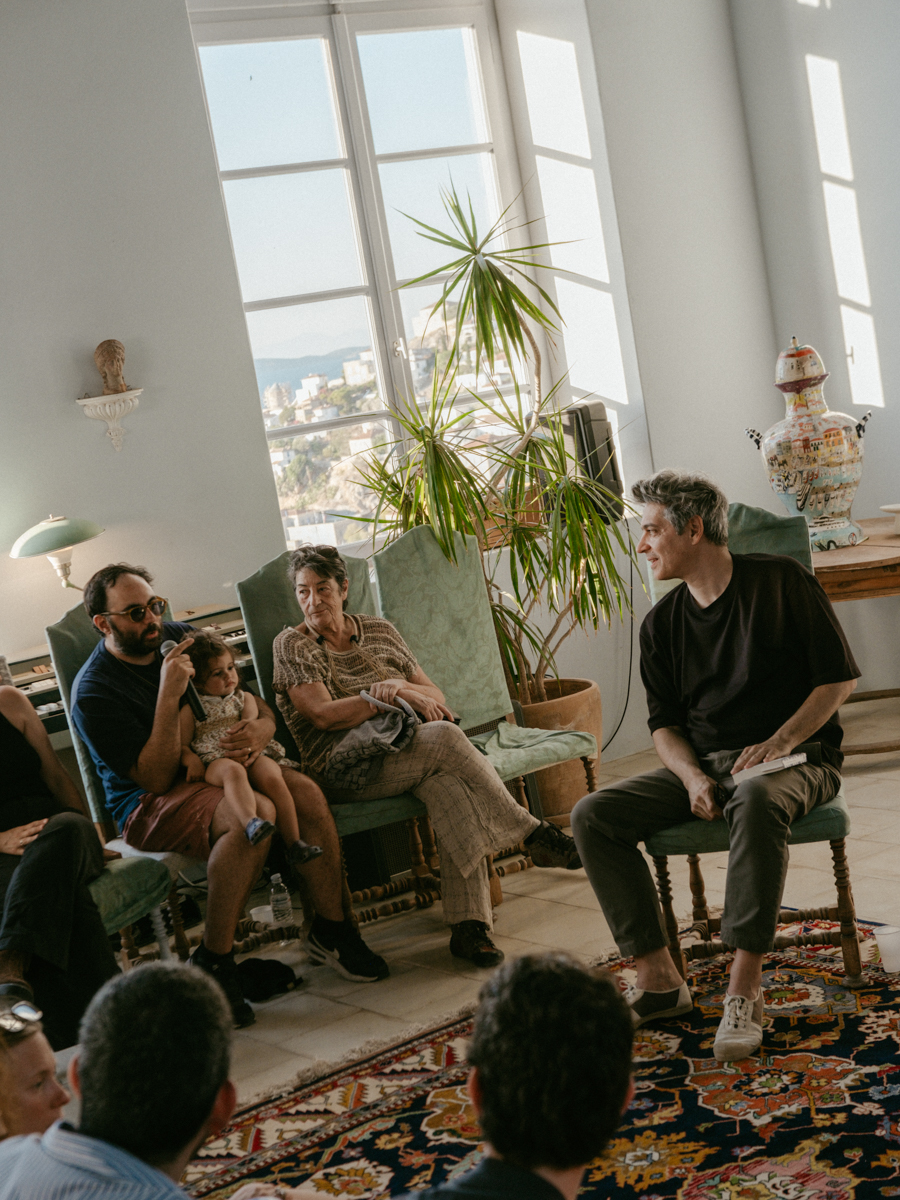
Writer Makis Malafekas, presenting his lates novel Deepfake
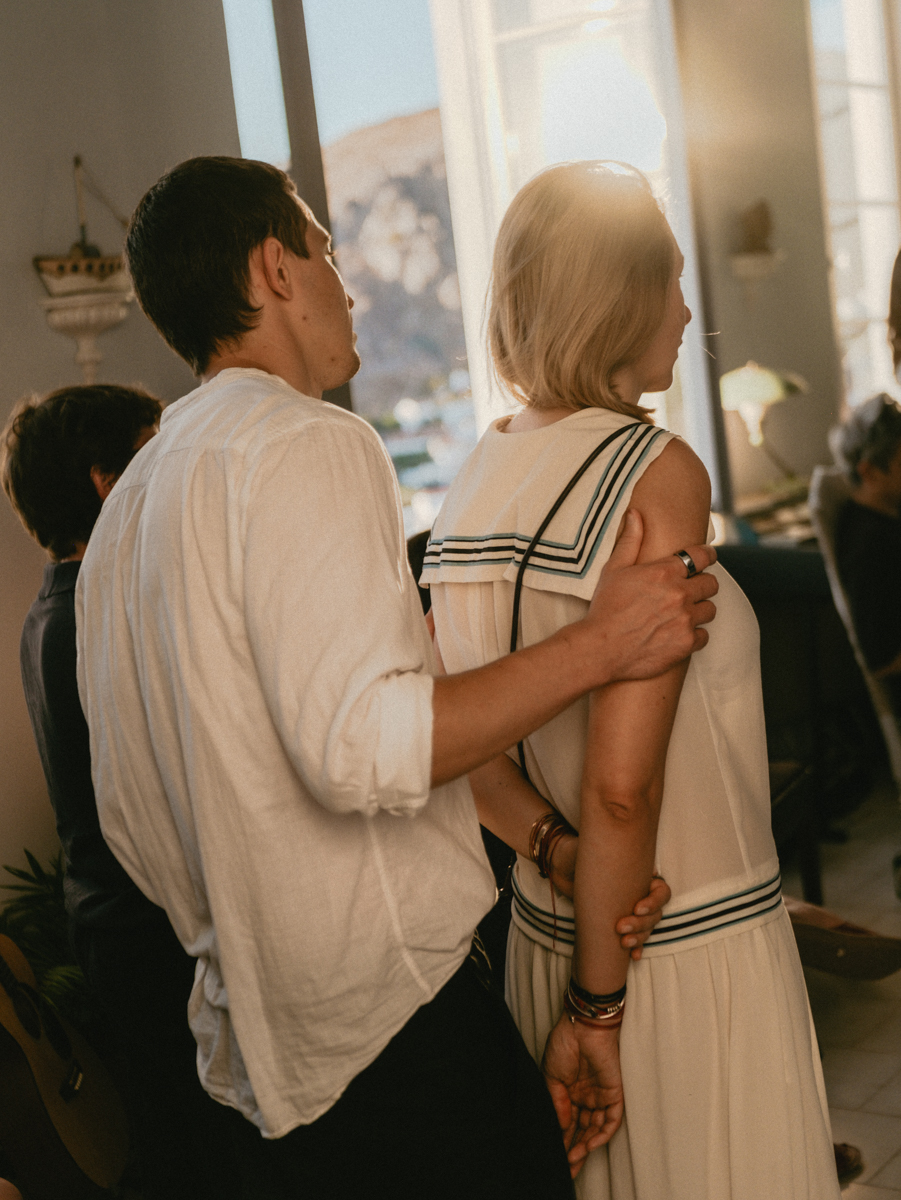
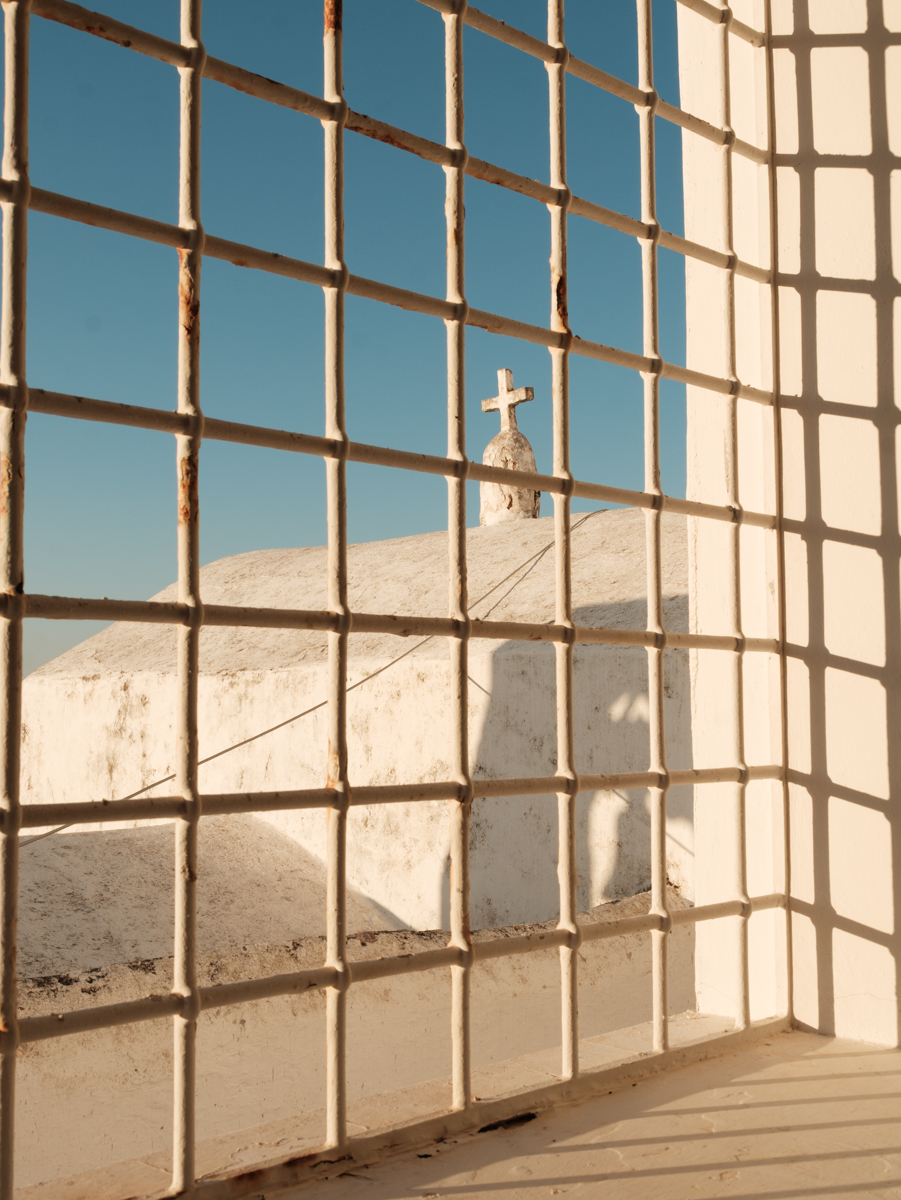
Guest at the terrace of the Old Carpet Factory Mansion
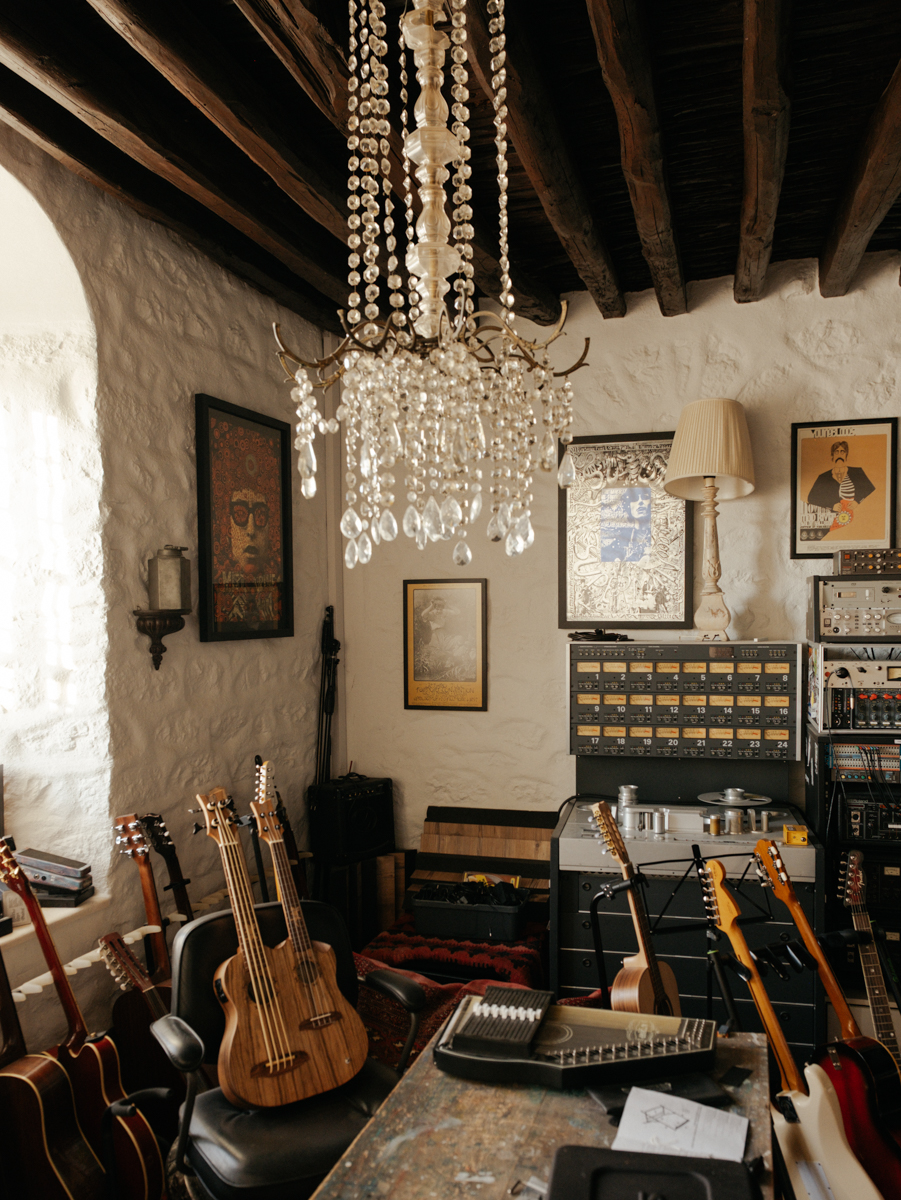
Old Carpet Factory recording studio
Douglas
Eveleigh
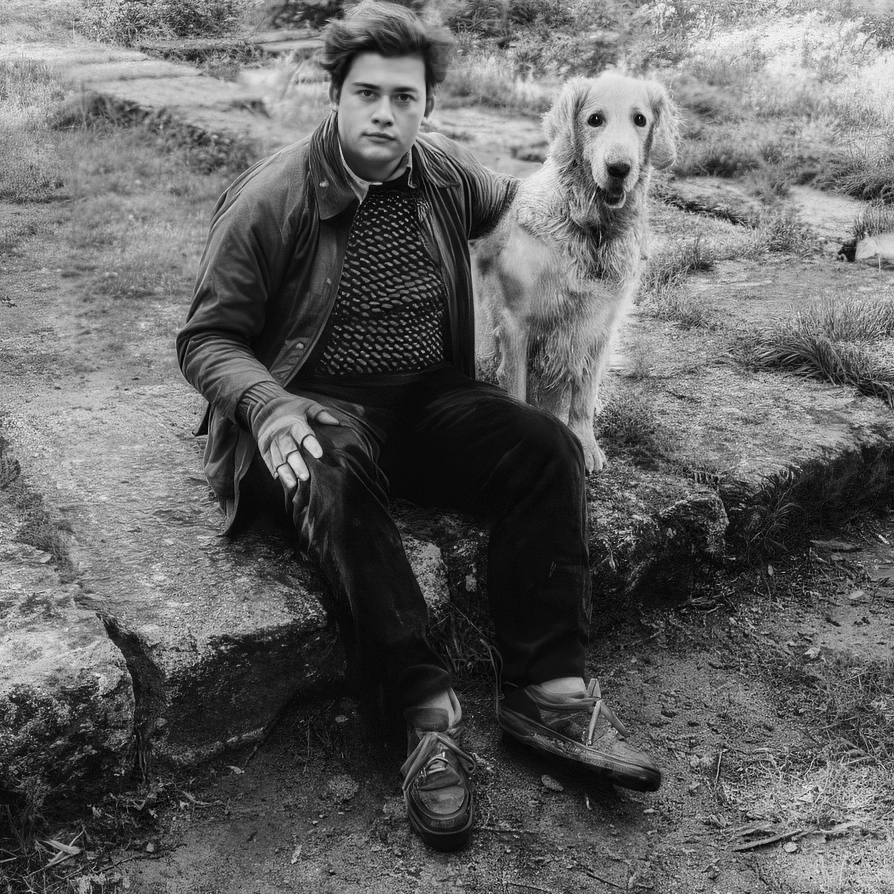
Douglas Eveleigh is a photographer from Massachusetts, based in Athens, Greece. Working across lifestyle, editorial, events, football, fashion, and documentary photography, he creates images that balance authenticity, energy, and visual storytelling, capturing people and places with a keen eye for atmosphere, culture, and human connection.
Douglas Eveleigh
Douglas Eveleigh is a photographer from Massachusetts, based in Athens, Greece. Working across lifestyle, editorial, events, football, fashion, and documentary photography, he creates images that balance authenticity, energy, and visual storytelling, capturing people and places with a keen eye for atmosphere, culture, and human connection.