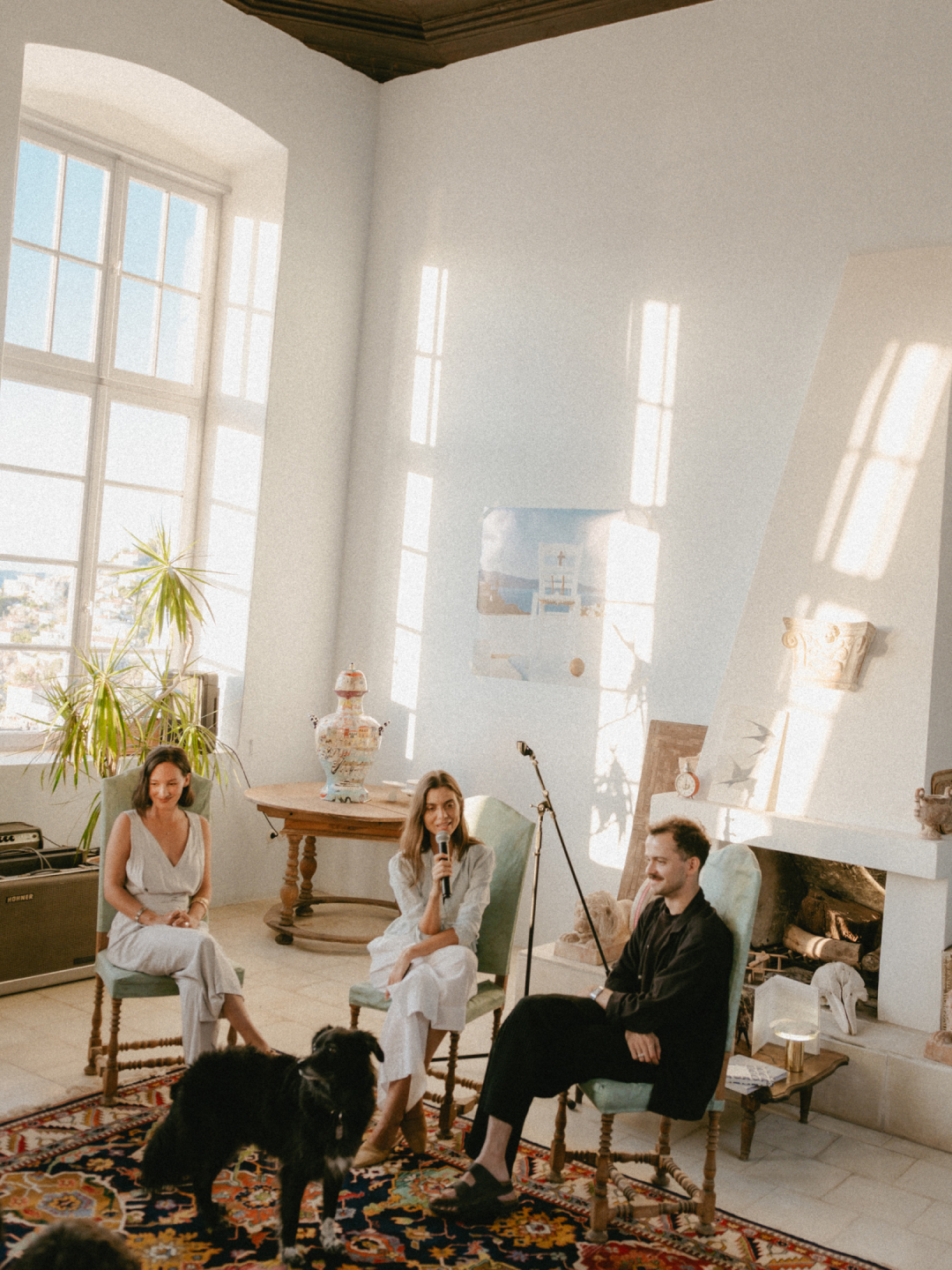
In The Paradox of Belonging and the Fragility of Attachment, photographer Stefan Dotter, architect Marilia Lezou, and curator Ekaterina Juskowski consider belonging as an intimate experience and a condition shaped by the world around us. Inspired by Dotter’s photographic series Belonging(s), the conversation approaches the subject through the intersecting perspectives of photography, architecture, curatorial practice and examines a fundamental human need to feel rooted.
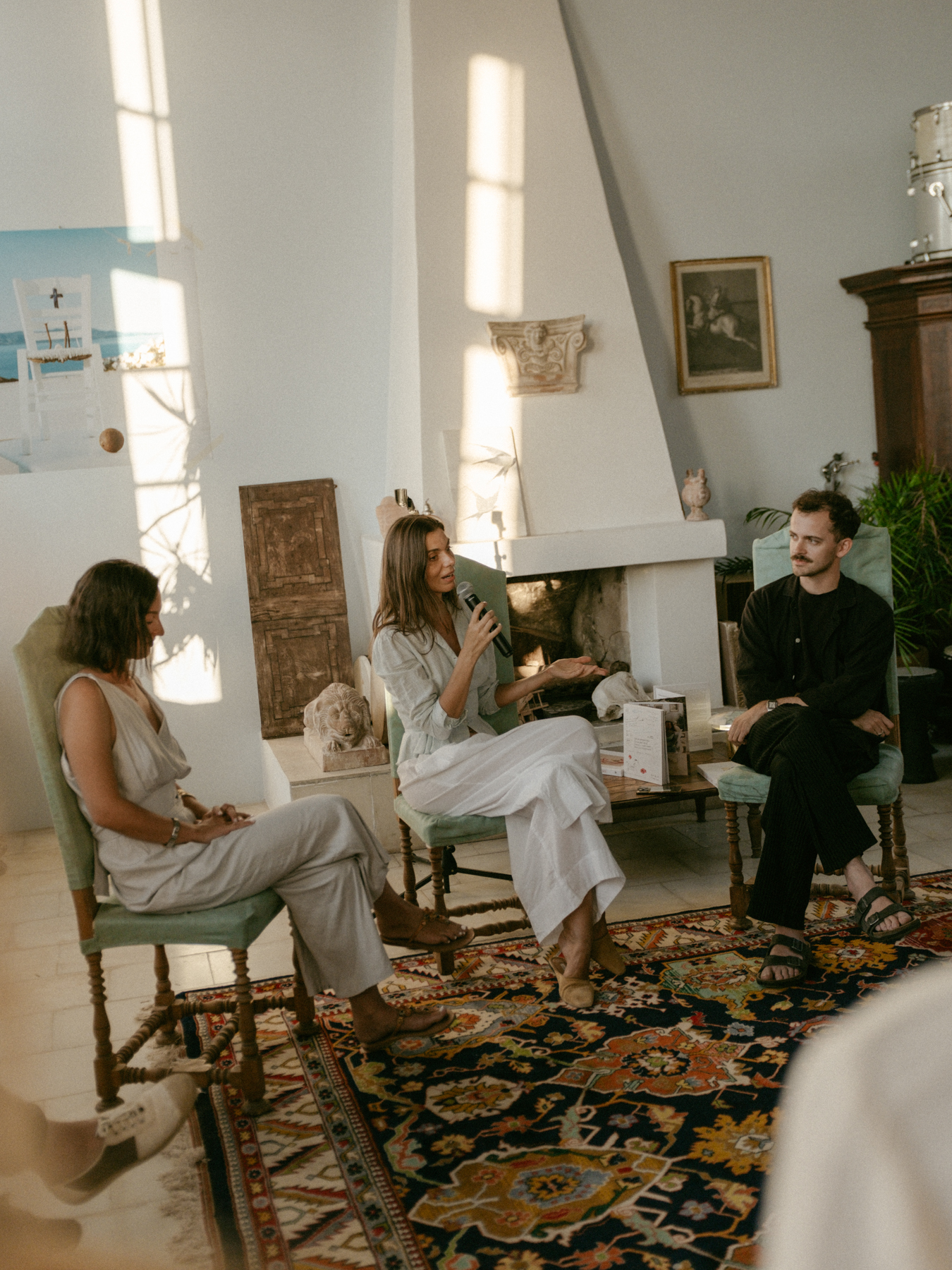
The conversation took place on June 21, 2026, as part of the Old Carpet Factory Open House
Ekaterina Juskowski: The question of belonging seems to be simple until the moment we are asked to answers to questions such as "Who belongs?", "What does it mean to belong?" or "What is it we belong to?"
Much of my work revolves around creating encounters between disciplines, people, and ideas. I am particularly interested in the way we shape our identities through relationships to places, objects, histories, and to one another.
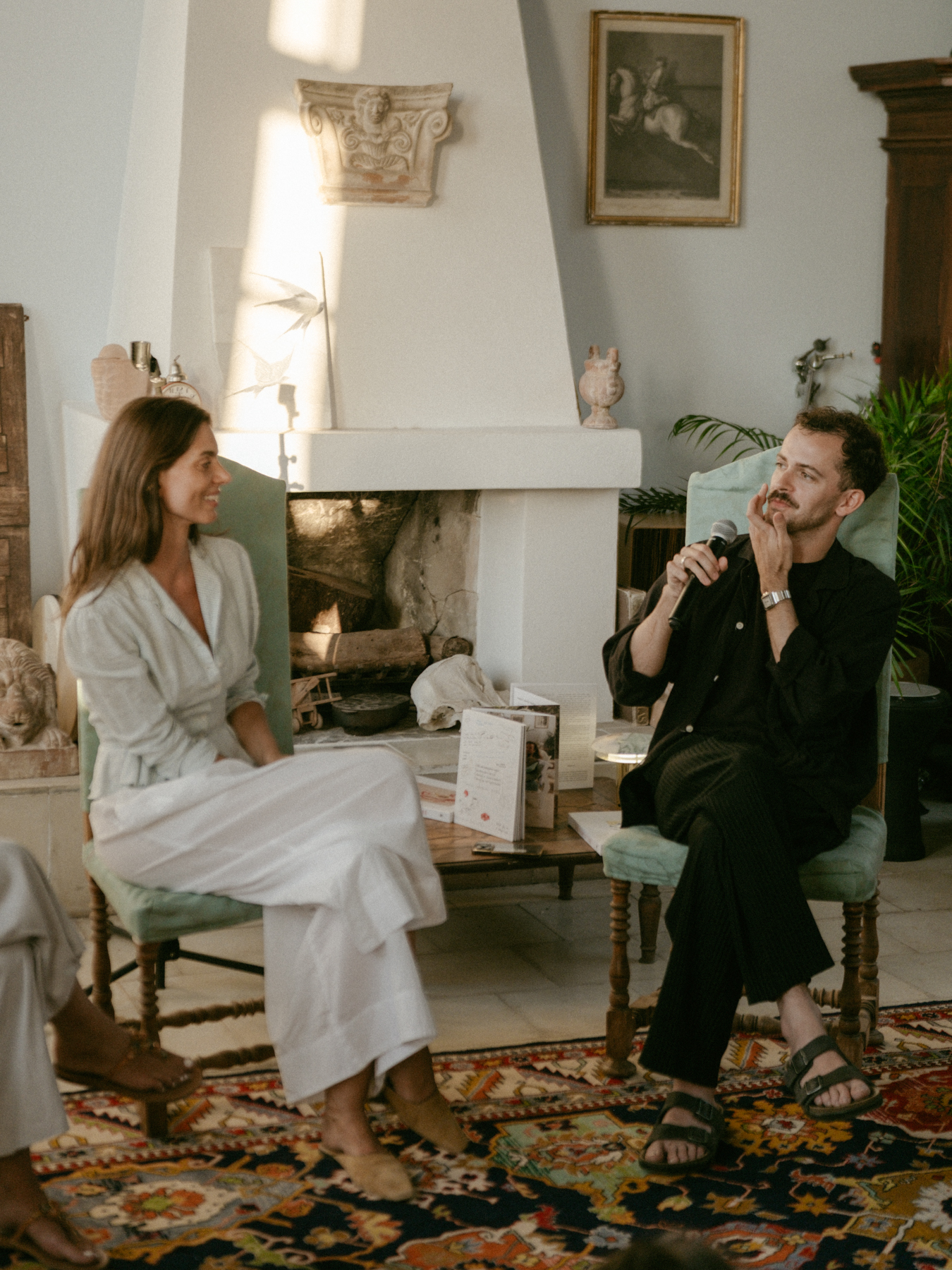
Tonight I am joined by two people who have approached the question of belonging from very different positions. Photographer Stefan Dotter arrived on Hydra as our artist-in-residence, looking at the island as an outsider but also an inevitable participant. While working on his photographic project BELONGING(S), he found himself navigating Hydra's social networks with their competing notions of belonging. Architect Marilia Lezou, who specializes in the conservation and adaptive reuse of historic properties, came to Hydra through her involvement with the restoration of the Bellevalia property. She is a founding curator of the Bellevalia Olive Grove Residency, which this year supports the Stefan's residency on the island. What interests me is that, across our disciplines belonging evades fixed definitions. Stefan's project invites us to reconsider the meanings we attach to objects and places, Marilia's perspective highlights the importance of stewardship and participation in placemaking. Together, we see belonging as paradoxical.
With that, I'd like to begin by asking Stefan to tell us how the idea of this project first came into being.
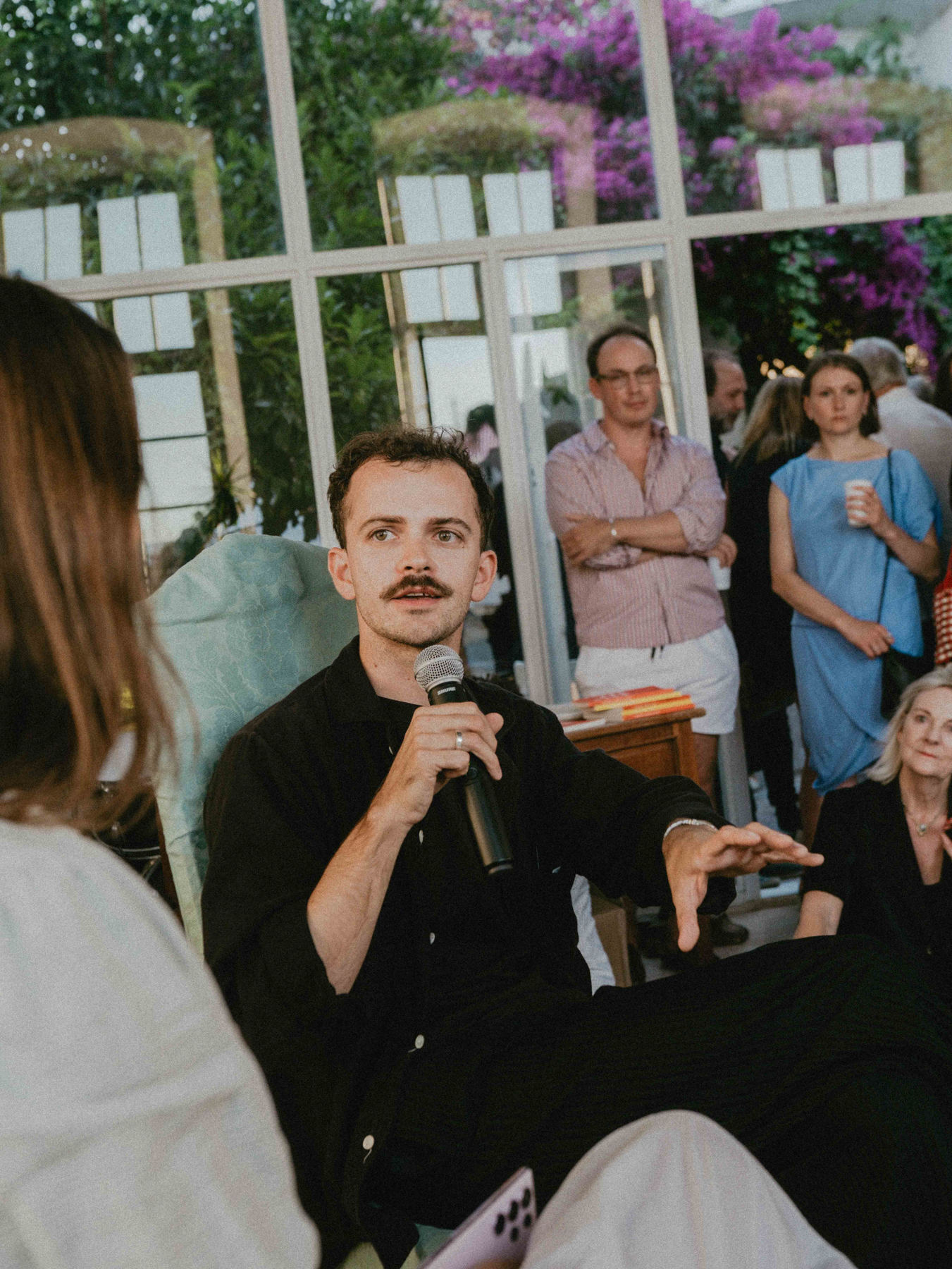
SD: I first applied to the Hydra Art Residency two years ago and received no answer. Last year, I followed up with a new project inspired by the idea of six degrees of separation. My intention was to begin with a small group of approximately eight island residents, creating still-life photographs that would reflect the relationships between individuals and the objects, spaces, and belongings that hold personal significance to the people living on Hydra.
I didn't want to work with a fixed list of pre-selected participants. The idea was to I invite a few people and then ask each of them to recommend someone else from the community. This approach would allow the project to expand organically through the local chains of connections, trust, familiarity, local knowledge. I hoped this approach would allow me to map the island's unique web of relationships and to see the hidden connections across generations, professions, families, and social circles.
I imagined the resulting body of work functioning as a portrait of individuals and also as a collective portrait of the island. But things did not go exactly as planned.
 (opens in a new tab)
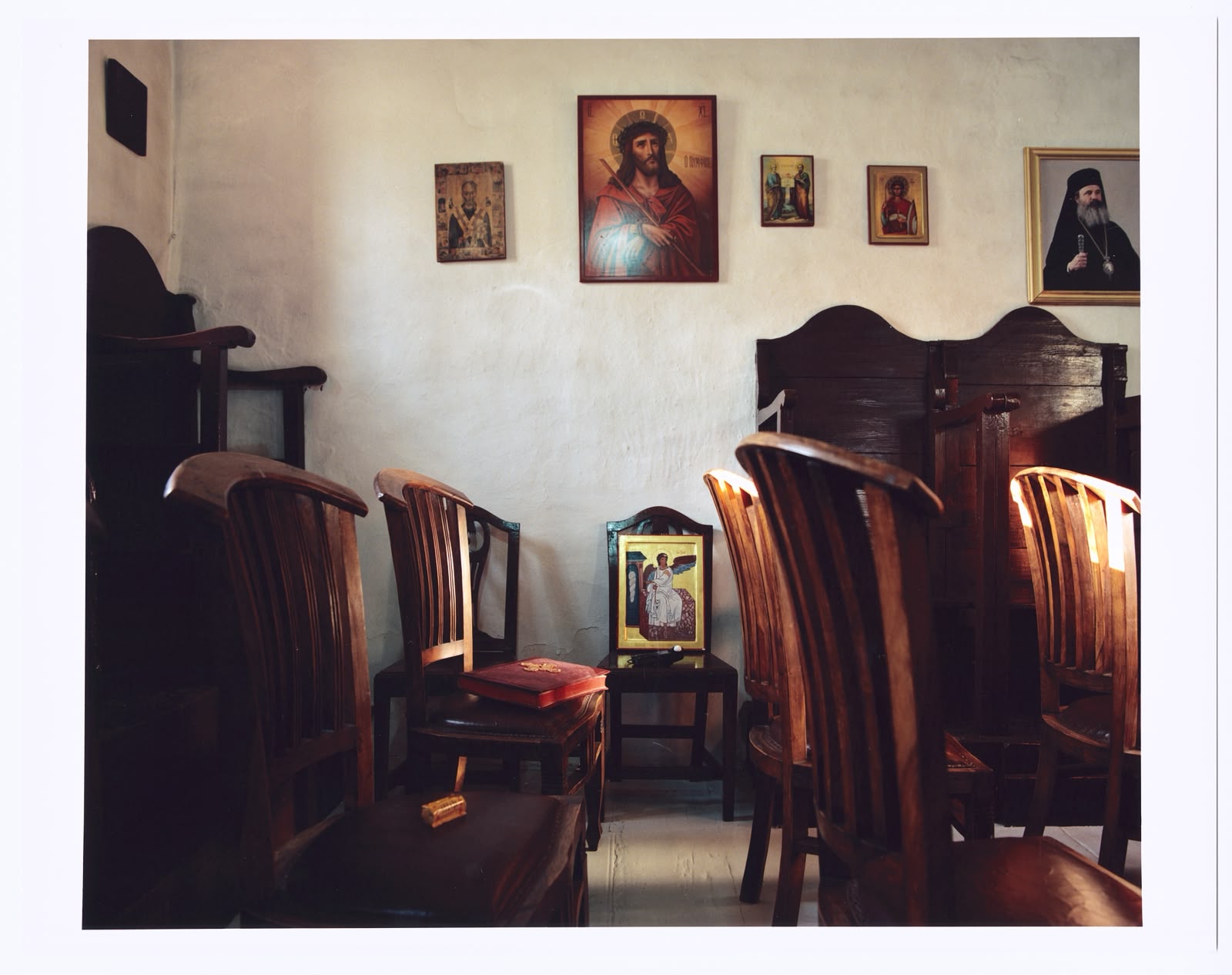
Stefan Dotter, Prayer, 2026, handprinted by the artist on Fuji PRO-G paper, edition of 3, 27.9 x 35.6 cm
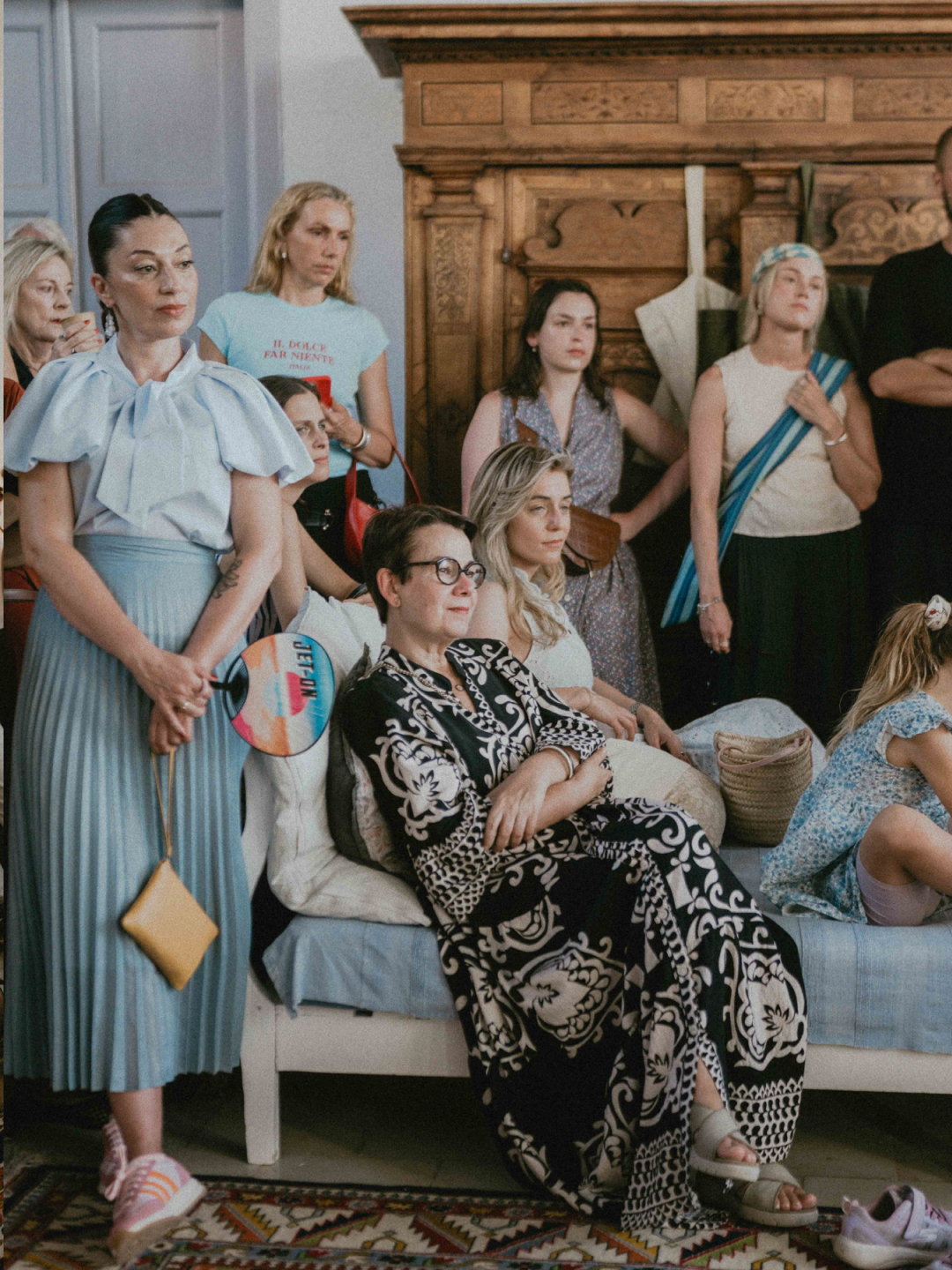
EJ: Mnemosyne Projects art residencies are a close collaboration between an artist and a curator. Stefan arrived on Hydra a few days before me and was hosted here at the Old Carpet Factory, which provided an ideal opportunity to meet an initial group of local residents through introductions facilitated by Stephan Colloredo-Mansfeld. By the time I arrived on the island, I found Stefan in the midst of an agitated discussion centered around an apparently impossible question: Who is a true Hydriot? Every person he met during his first days on the island seemed to hold a firm conviction about who belonged and who did not. Belonging became a central theme in our project.
SD: It was evident that Hydra exists as a field of competing realities, each fiercely protected. In an attempt to make sense of the situation, I decided to construct my own definition of belonging by asking a broader question: Who really belongs? On my long walks around the island, I started photographing native plants and animals. They are the ones who really belong here, I thought. But the conclusion of my explorations was paradoxical: everybody and nobody belongs.
Certain conditions must be present for a sense of belonging to emerge. On my way here, for example, I found myself thinking about trust. I landed on the island 30 minutes before the talk began, which gave me enough time to leave all my belonging at the port with some person I had never met, but who was a friend of an Hydra friend. This made me feel like I started to belong here in some way.
But belonging is more complex. It also requires recognition, reciprocity, participation, care, and time. Perhaps it begins when we feel recognized by a place or a community, but it deepens when we accept responsibility for it in return.
EJ: The body of work Stefan created during his residency is a visual essay composed of borrowed possessions temporarily displaced from their owners and scattered across the island. In some of his photographs, we encounter native plants alongside discarded plastic objects, as well as landscapes marked by traces of human presence. It is often easy to distinguish imported objects from those originating on Hydra, but once removed from their original contexts, their provenance becomes less certain: all have been transformed, to some degree, by use and time.
Detached from their owners, the belongings in Stefan’s photographs are difficult to situate within a specific context. To me, this mirrors the unsettled and fluid nature of identity itself. Through his deliberate misalignment of objects and places, Stefan’s work suggests that belonging is inherently unstable and continuously reshaped by those who pass through the island as well as those who remain.
Marilia, when we first met, the question of belonging immediately emerged as you introduced your project at Bellevalia. How did this idea enter your practice, and in what ways has it guided your work on Hydra?
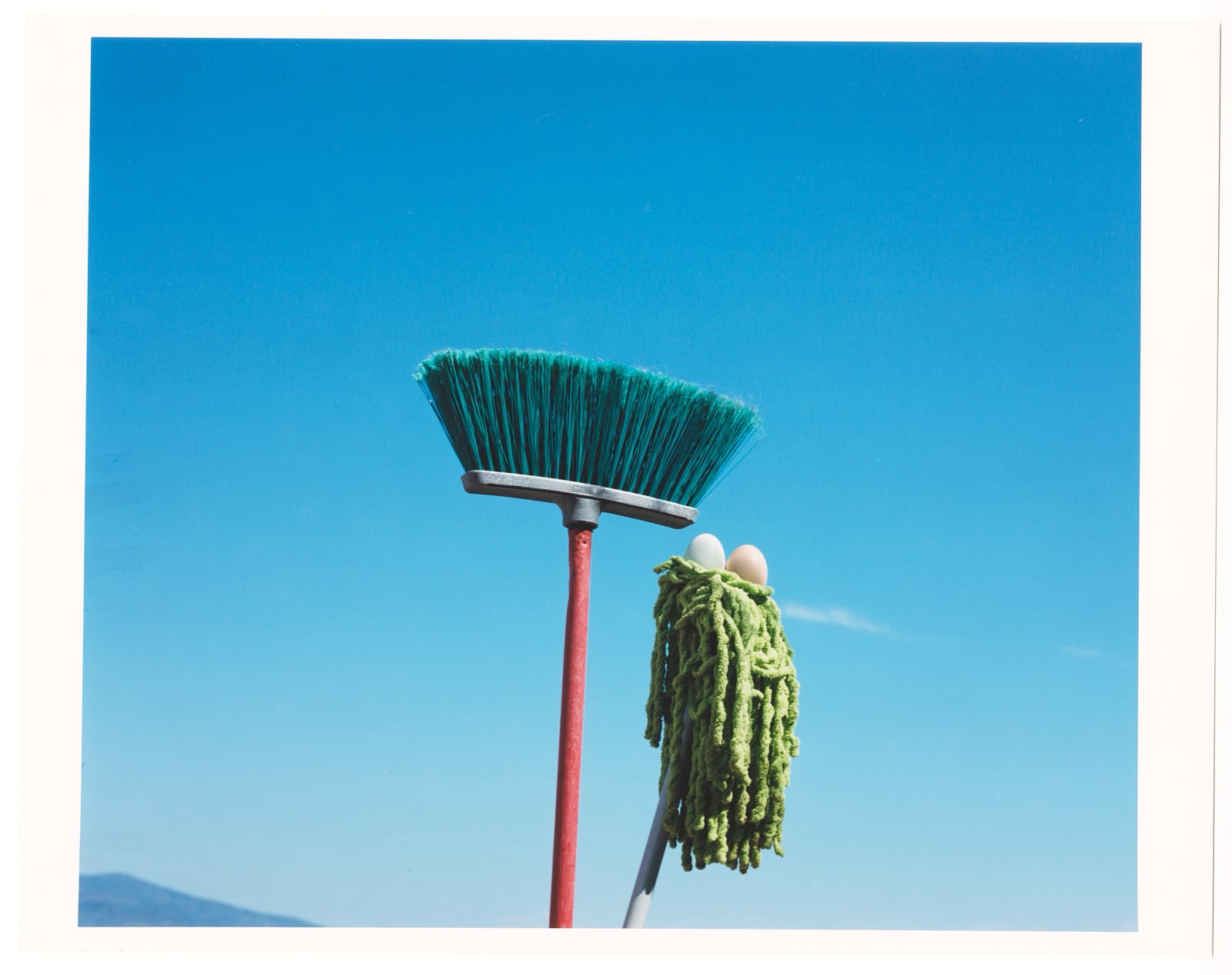 (opens in a new tab)
Stefan Dotter, Nest, 2026, handprinted by the artist on Fuji PRO-G paper, edition of 3, 27.9 x 35.6 cm
ML: My relationship with Hydra was formed through my work. When I was invited by the Rabies family to help with the restoration of their century-old Hydriot building, the significance of the experience was less in the project itself. The invitation itself represented an act of trust and an opportunity to engage with one of the island's most intimate forms of belonging.
Working on Hydra during the winter months, I encountered life beyond the familiar images of Hydra's summer season. It included maintenance, repair, stewardship, and care. These observations focused my attention less on the question of who belongs to Hydra and more on the how is belonging sustained? Part of my practice restoring historical properties, an in particular at Bellevalia, requires removing some parts and adding new parts of the building without disrupting the sense of belonging.
The reasons Stefan Dotter’s project resonates so strongly with me is because his work raises a compelling question: If an object is displaced is it still representative of its place of origin / how potent is it with ingredients pure and original of its mother. As an architect, I find this question deeply relevant because it can be extended beyond objects to buildings, places, and even people.
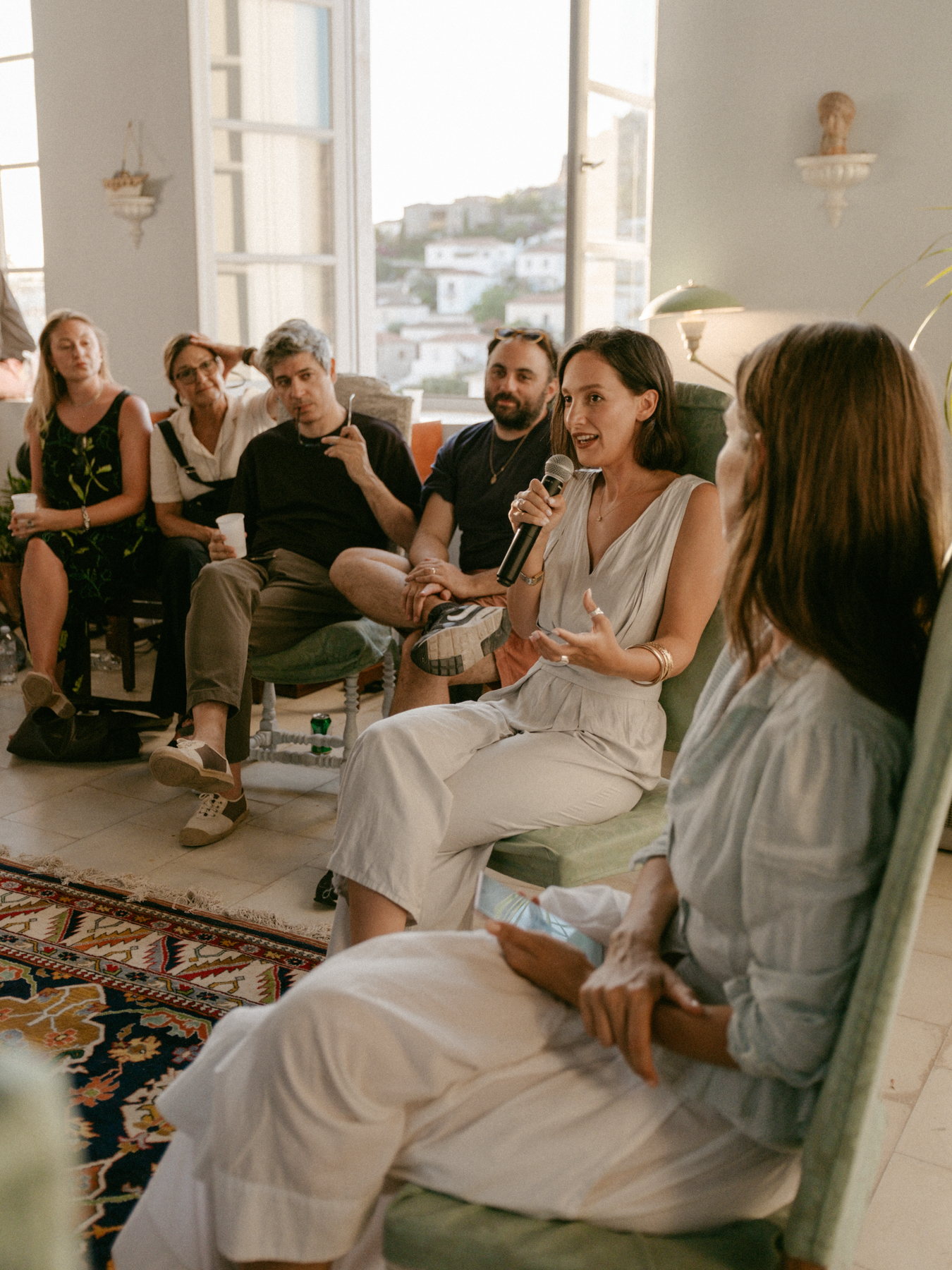
ML: At first glance, one might argue that belonging is less about origin and more about participation. There is certainly truth in that. Places are shaped not only by those who were born there, but also by those who care for them, contribute to them, maintain them, and commit themselves to them over time.
Yet participation alone is not enough. It becomes meaningful when it is accompanied by responsibility, stewardship, and attention. My own understanding of Hydra developed through the responsibility of working on a building entrusted to me by people deeply connected to the island. Through that experience, I came to appreciate a quality that I believe lies at the heart of both architecture and belonging: resilience.
We often speak about resilience in environmental or structural terms, but I have come to think of it as a cultural condition as well. Resilience is the ability of a place to absorb change without losing its sense of continuity. It allows a community, a building, or a landscape to evolve while remaining connected to its memories, values, and identity.
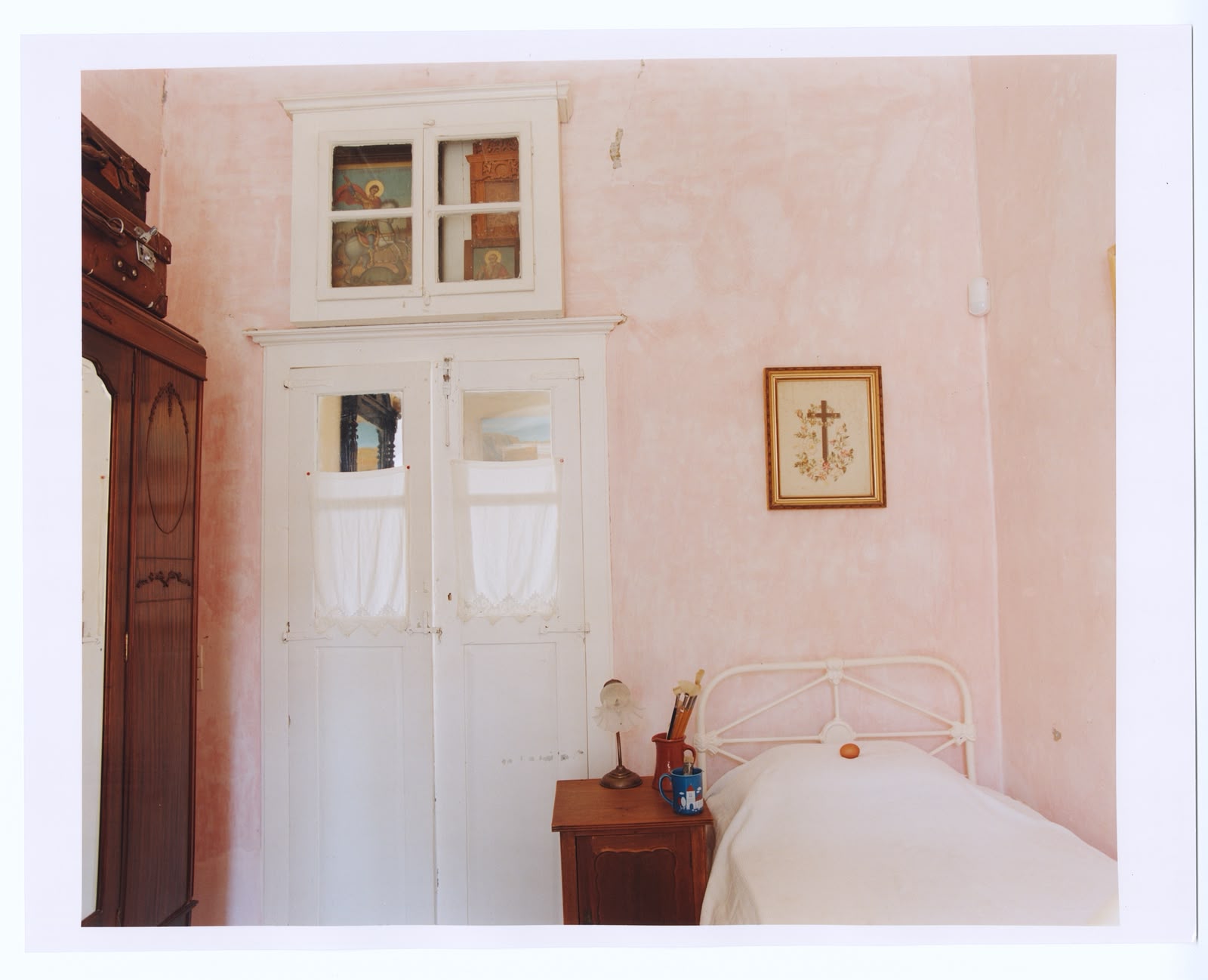 (opens in a new tab)
Stefan Dotter, Rest, 2026, handprinted by the artist on Fuji PRO-G paper, edition of 3, 27.9 x 35.6 cm
ML: Hydra demonstrates this remarkably well. The island we encounter today is not the Hydra of a century ago, nor even of a generation ago. It has continuously adapted to new social, economic, and cultural realities. Yet despite these transformations, it retains a powerful sense of itself.
The same can be said for its architecture. Hydra's buildings have endured not because they have remained untouched, but because they have been continuously inhabited, repaired, adapted, and cared for. Their resilience lies precisely in this balance between preservation and transformation. They change, yet remain recognizably rooted in the place from which they emerged.
As an architect, this has profoundly shaped the way I think about belonging. Belonging is not achieved by resisting change. Rather, it emerges through an ongoing relationship between continuity and adaptation, between inheritance and participation, between memory and the responsibilities of the present.
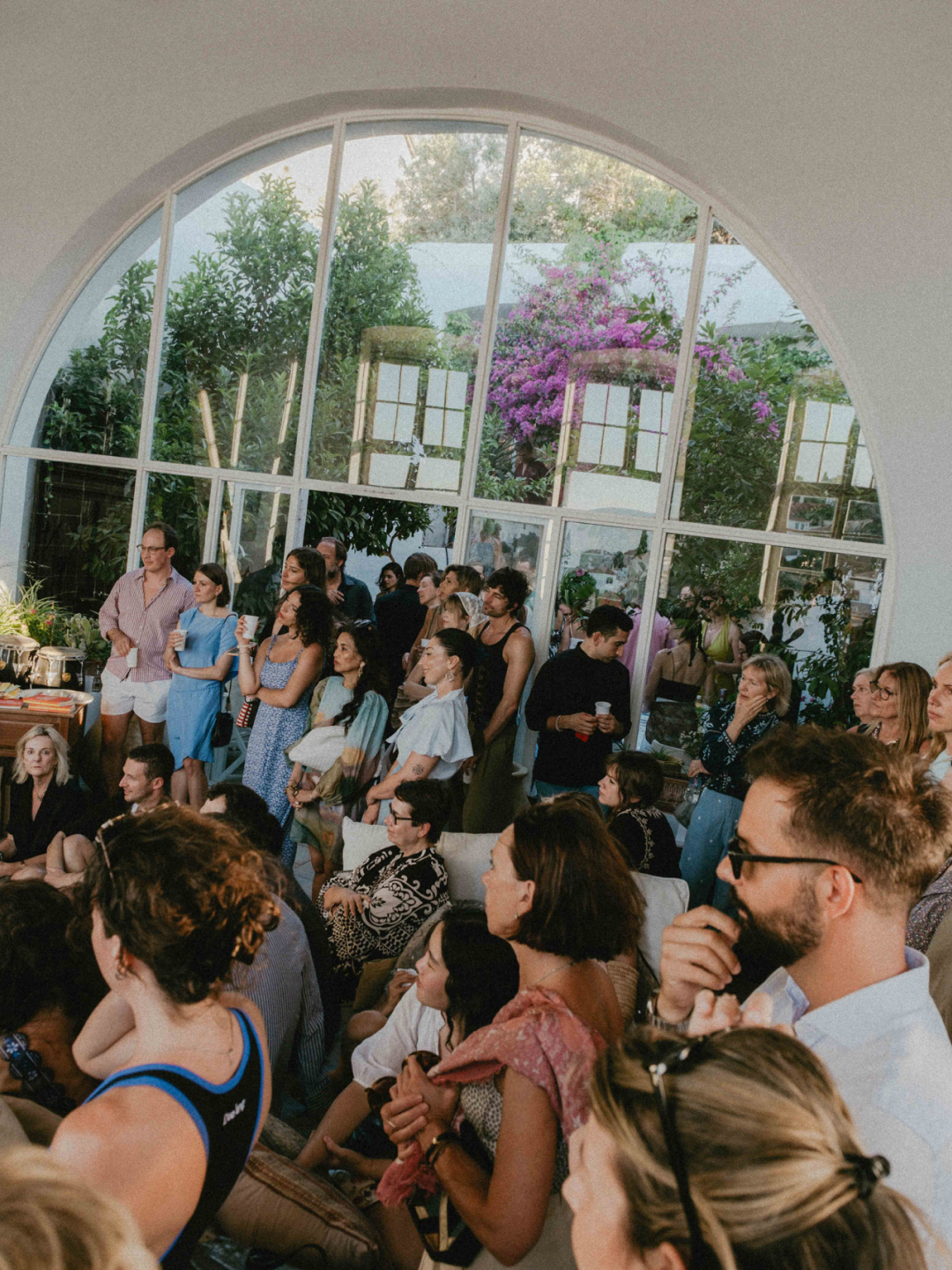
ML: Resilience is often understood in environmental or structural terms, but it can also describe a cultural condition. It is the capacity of a place to absorb change while maintaining continuity with its values,memories, and identity. Hydra demonstrates this remarkably well.
Its buildings have endured because they have been continuously occupied, repaired, adapted, and cared for. Their resilience lies in their ability to evolve while remaining connected to the place from which they emerged.
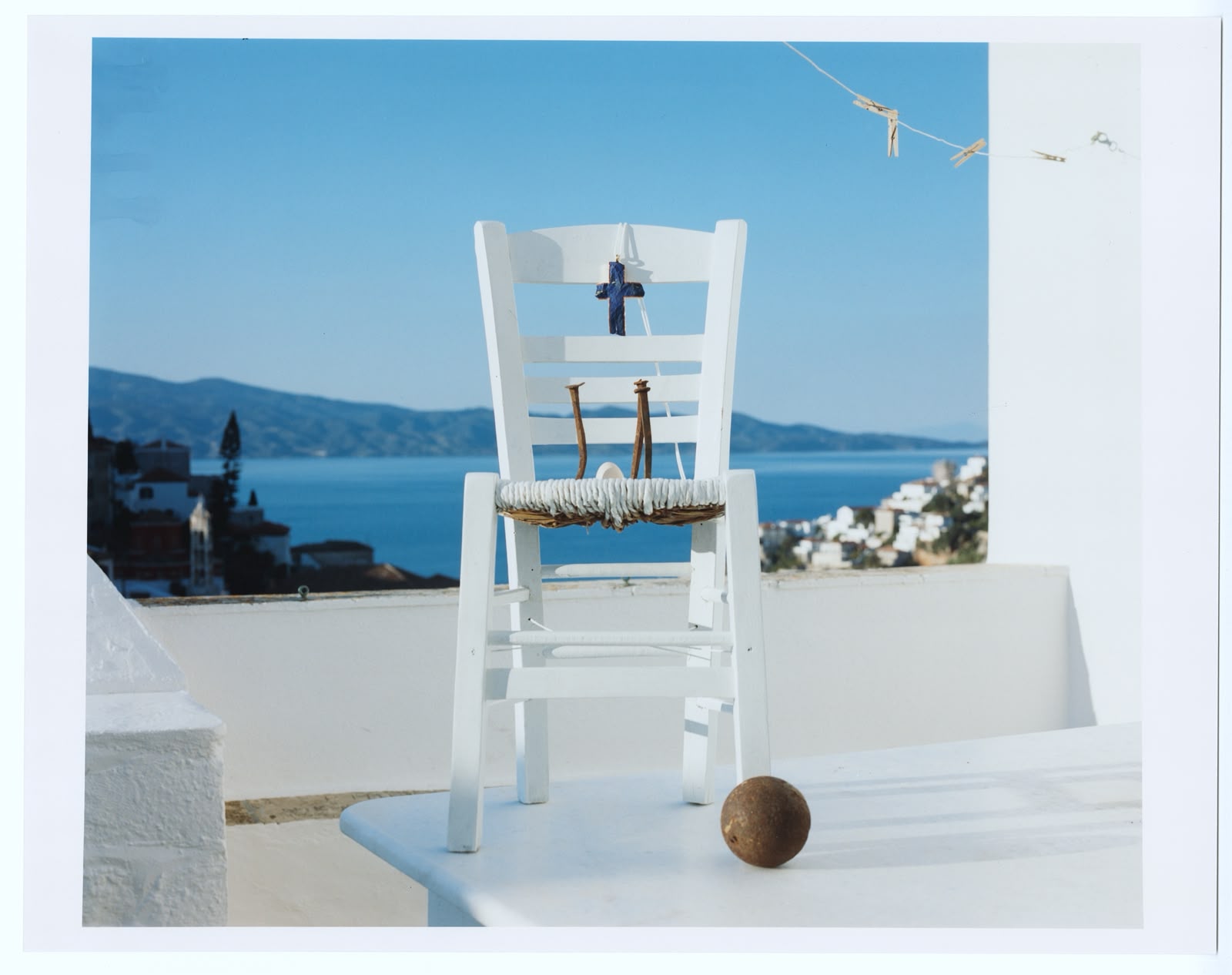 (opens in a new tab)
Stefan Dotter, Cross, 2026, handprinted by the artist on Fuji PRO-G paper, edition of 3, 27.9 x 35.6 cm
EJ: Before we conclude, I would like to thank everyone who contributed to this conversation and to the realization of Belonging(s). We will present six limited-edition prints from the project tomorrow at Bellevalia Olive Grove. Thank you for joining us.
Stefan Dotter: Belonging(s) Preview, Bellevalia's Olive Grove, Hydra Island, Greece, June 22 - 26, 2026
Artworks © 2026 Stefan Dotter
Photography © Douglas Eveleigh
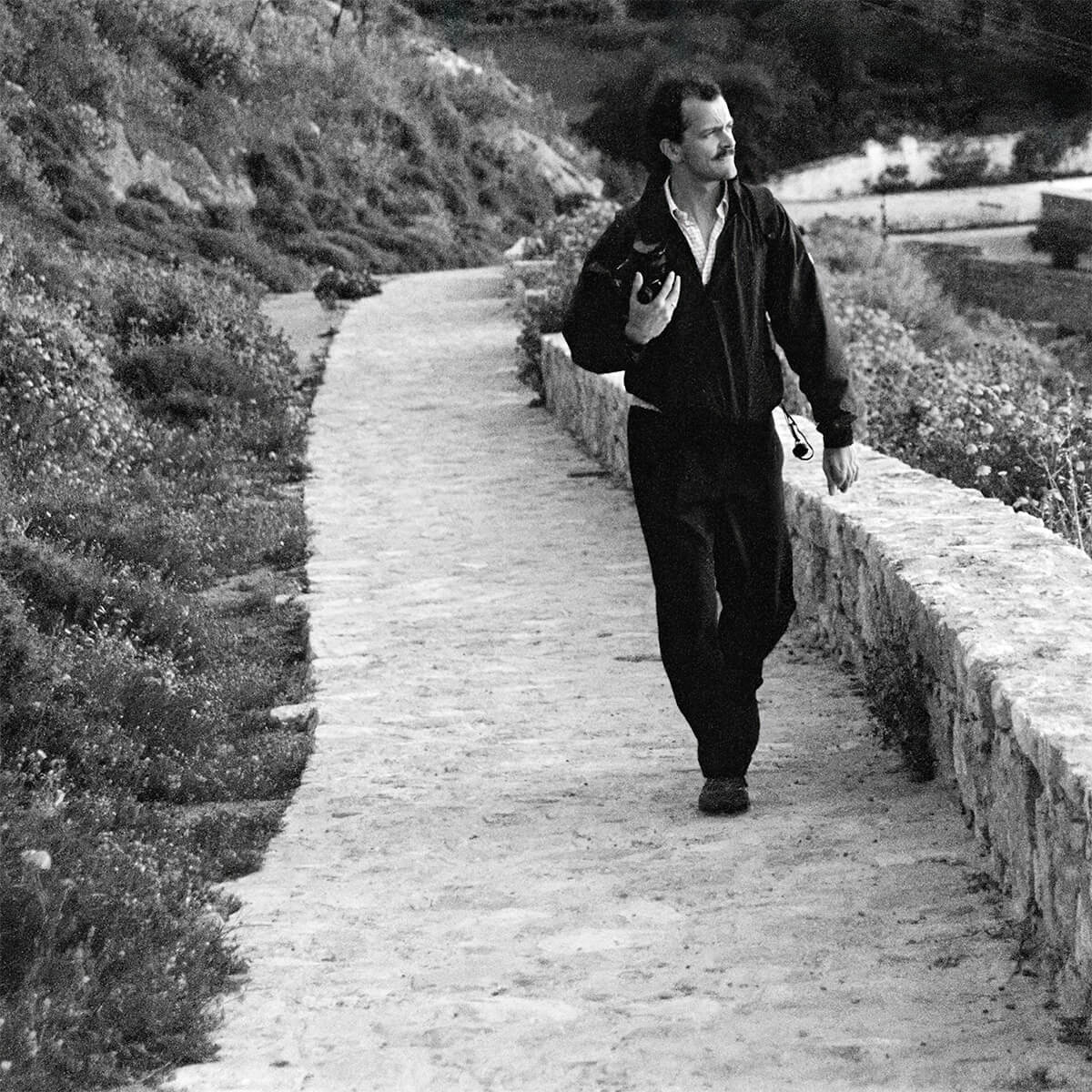
Stefan
Dotter
Stefan Dotter is a visual artist and photographer whose work spans fine‑art, documentary, and fashion. His practice is grounded in a minimalist poetic visual language shaped by his long engagement with Japan, where he currently lives and works.
Ekaterina
Juskowski
Ekaterina Juskowski is a writer and independent curator active in the international fields of art, design, architecture, and antiques. Her research and writing explore the relationship between material culture, memory, and place, examining how objects, landscapes, and artistic practices preserve cultural knowledge. Her engagement with contemporary art focuses on artists whose work investigates questions of materiality, identity, heritage, and belonging.

Marilia
Lezou
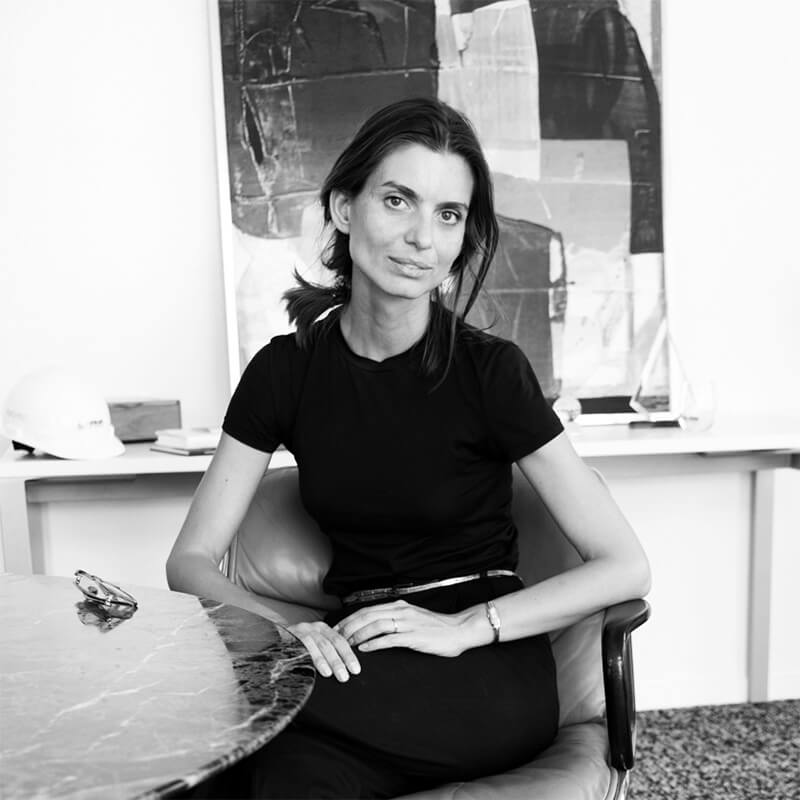
Marilia Lezou is an Athens-born, London-based Architect (ARB) and interdisciplinary artist. Her practice primarily spans built architecture and includes digital art, physical installations, and theatre set design. Often film-like in quality, her work engages with the relationship between physical and digital realms, touching on themes of hyperrealism.
Douglas
Eveleigh
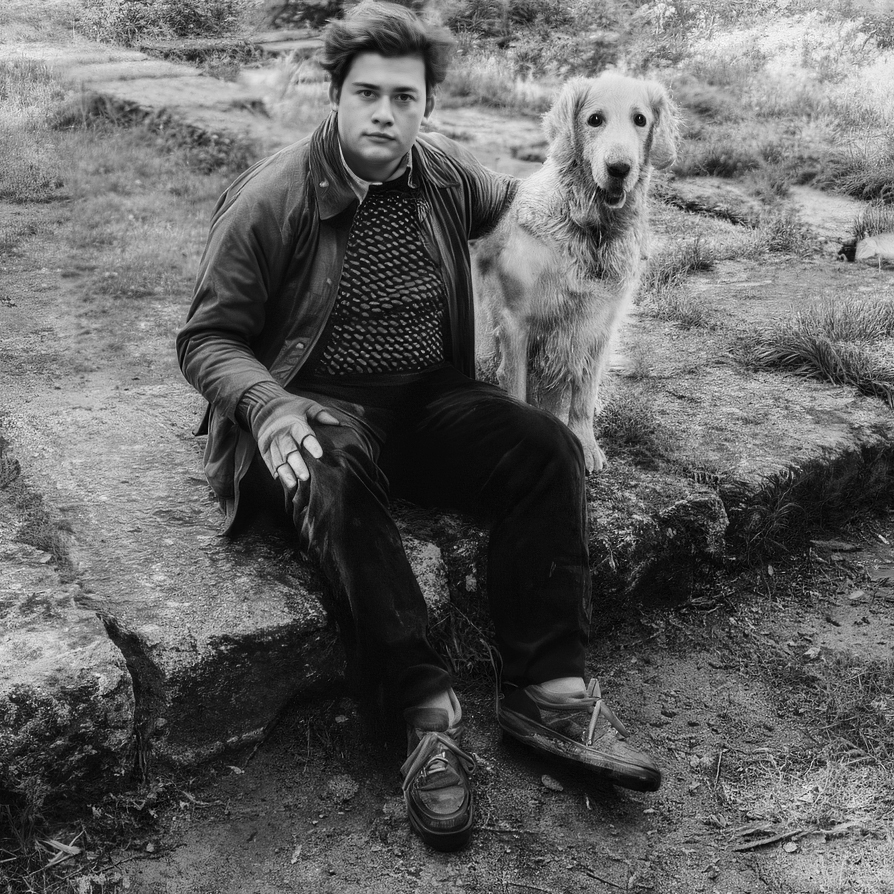
Douglas Eveleigh is a photographer from Massachusetts, based in Athens, Greece. Working across lifestyle, editorial, events, football, fashion, and documentary photography, he creates images that balance authenticity, energy, and visual storytelling, capturing people and places with a keen eye for atmosphere, culture, and human connection.
Stefan Dotter
Stefan Dotter is a visual artist and photographer whose work spans fine‑art, documentary, and fashion. His practice is grounded in a minimalist poetic visual language shaped by his long engagement with Japan, where he currently lives and works.
Ekaterina Juskowski
Ekaterina Juskowski is a writer and independent curator active in the international fields of art, design, architecture, and antiques. Her research and writing explore the relationship between material culture, memory, and place, examining how objects, landscapes, and artistic practices preserve cultural knowledge. Her engagement with contemporary art focuses on artists whose work investigates questions of materiality, identity, heritage, and belonging.
Marilia Lezou
Marilia Lezou is an Athens-born, London-based Architect (ARB) and interdisciplinary artist. Her practice primarily spans built architecture and includes digital art, physical installations, and theatre set design. Often film-like in quality, her work engages with the relationship between physical and digital realms, touching on themes of hyperrealism.
Douglas Eveleigh
Douglas Eveleigh is a photographer from Massachusetts, based in Athens, Greece. Working across lifestyle, editorial, events, football, fashion, and documentary photography, he creates images that balance authenticity, energy, and visual storytelling, capturing people and places with a keen eye for atmosphere, culture, and human connection.