The Exhibition That Looks at You While You Look at It
Nocturne:Posthuman Dreams, Myths, and the Invisible exhibition review
For the first time, works by masters of Argentine surrealism and by young artists, bound by night, magic, mysterious darkness, and the urge to step beyond the familiar and the everyday, are shown together in a single exhibition in Buenos Aires curated by Ekaterina Juskowski.
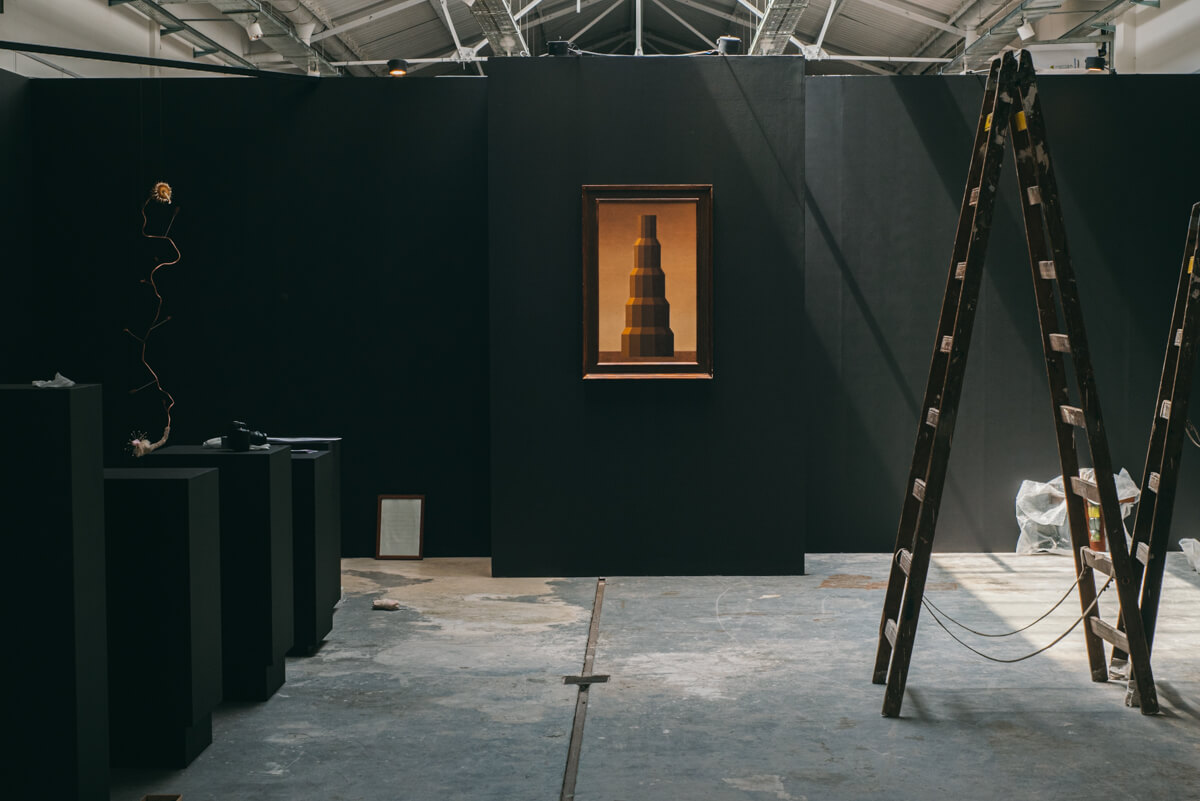
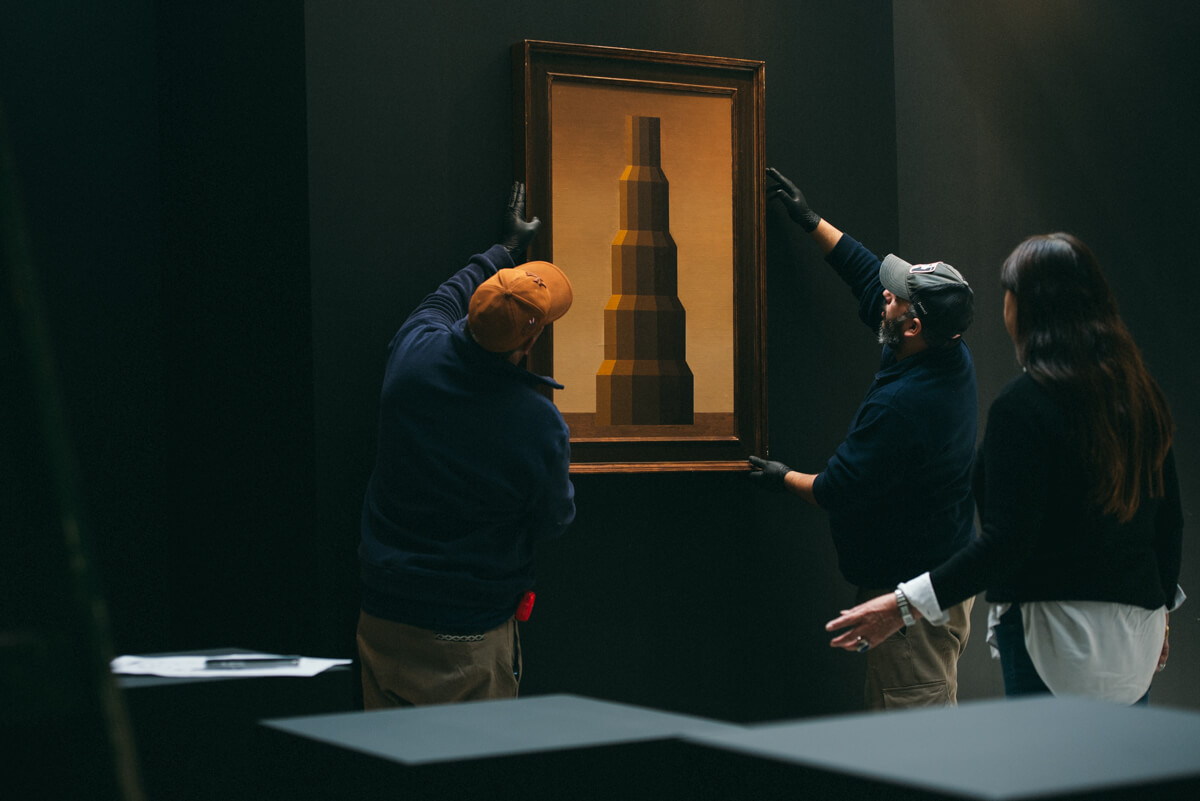
Roberto Aizenberg's iconic surrealist tower on view at the Littele Red Door Members' Club as part of the Nocturne: Posthuman Dreams, Myths, and the Invisible
Imagine a space that doesn't exist yet. One day it will house the Little Red Door Club, an invitation-only private members’ club, but for now it’s just another building in Villa Crespo, hidden behind a tall black gate like thousands of others in Buenos Aires. Yet behind this particular gate, out of sight of curious eyes, lies an enchanted, invisible castle. It reveals itself only to the traveler who completes a task and passes the trial devised by the master of this magical place. And the task should be taken literally: the exhibition is accessible exclusively by appointment.
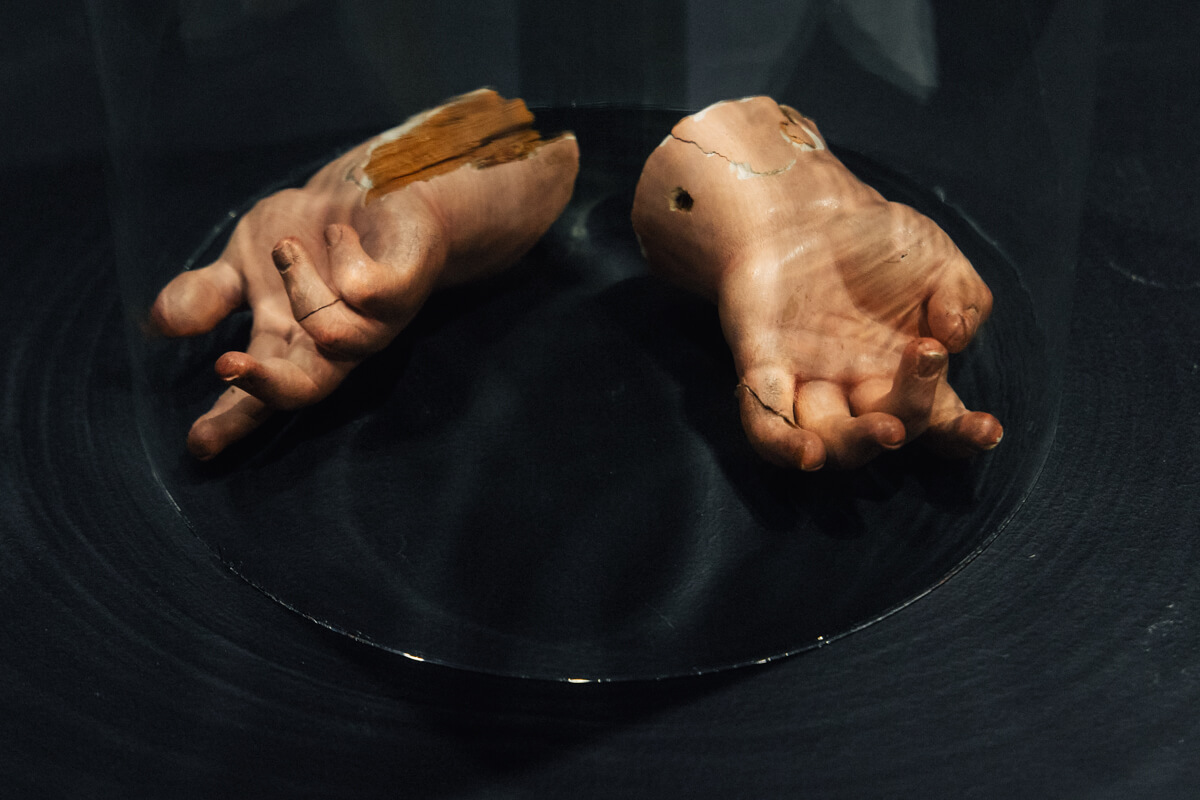
St. Anthony's hands from the collection of Cándido Silva, South American Colonial Art. On view at the Little Red Door Club as part of Nocturne: Posthuman Dreams, Myths, and the invisible.
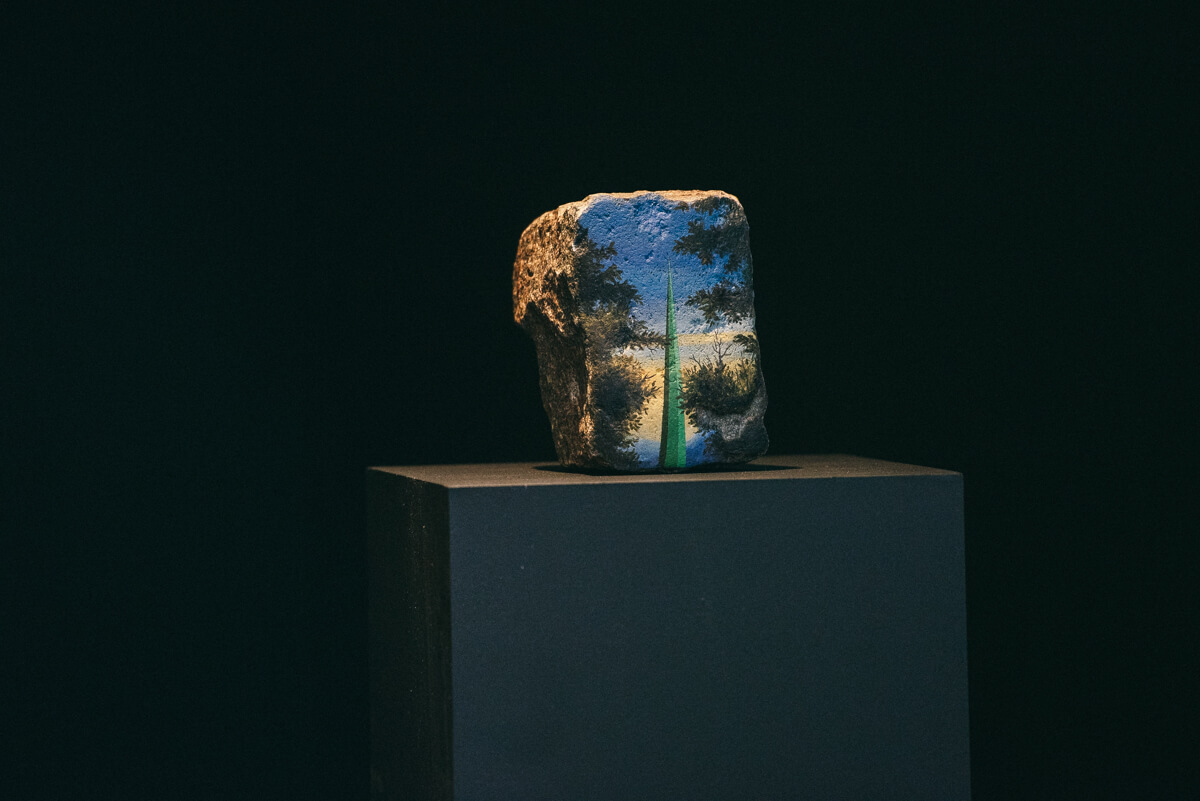
Max Gomez Canle on view at the Little Red Door Members' Club as part of Nocturne: Posthuman Dreams, Myths, and the Invisible
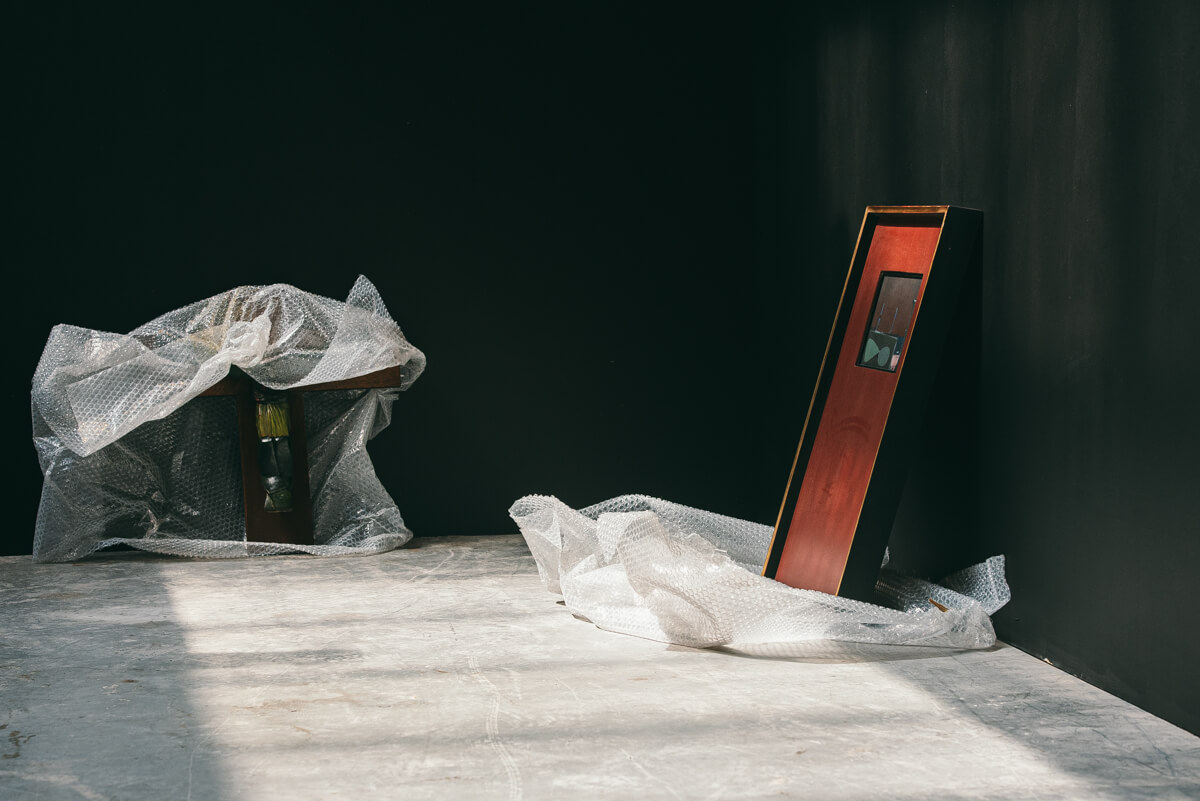
Imagine a dark room with black and burgundy walls, filled with marvelous objects that at first glance have nothing in common: stones bearing a landscape painted in oil (Max Gómez Canle, Untitled, 2026), a rotating sculpture made of flowers and copper cables (Valentín Asprella Lozano, Radar n°6, 2025), a painted bronze figure with enormous horns (Corcho Rodríguez, Deadman (Black), 2025). The curator, Ekaterina Juskowski, as if she were an alchemist, combines familiar elements in the most curious ways to reveal hitherto unknown properties of spirit and matter.
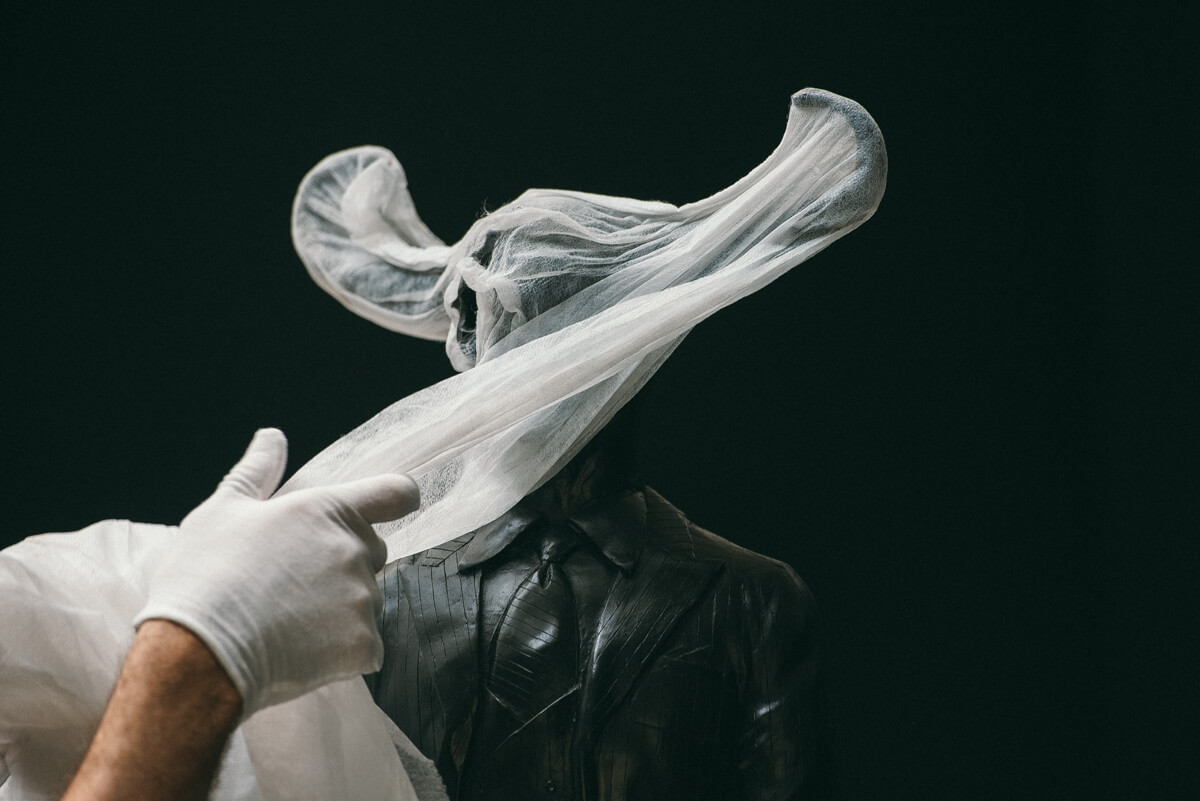
Deadman in Black (2025) by Corcho Rodriguez on view at the Little Red Door Club as part of Nocturne: Posthuman Dreams, Myths, and the Invisible
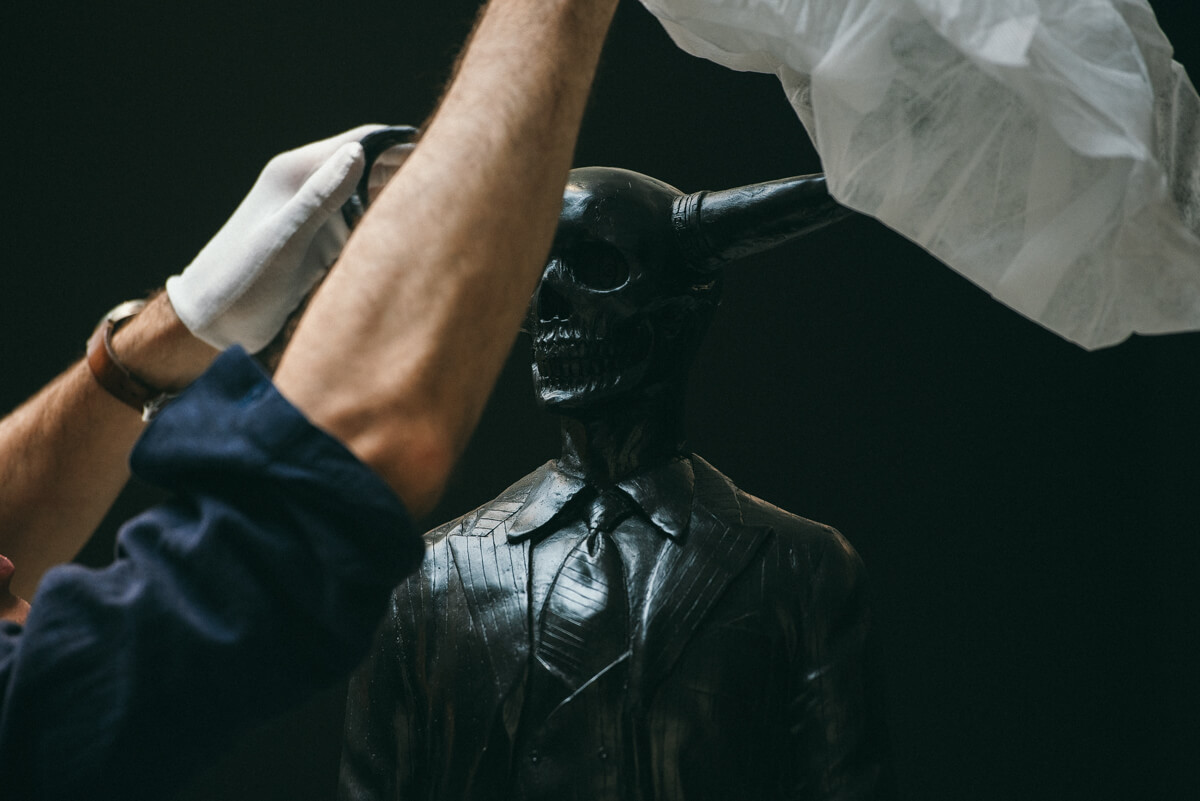
Deadman in Black (2025) by Corcho Rodriguez on loan from the Atchugarry Museum of Contemporary Art
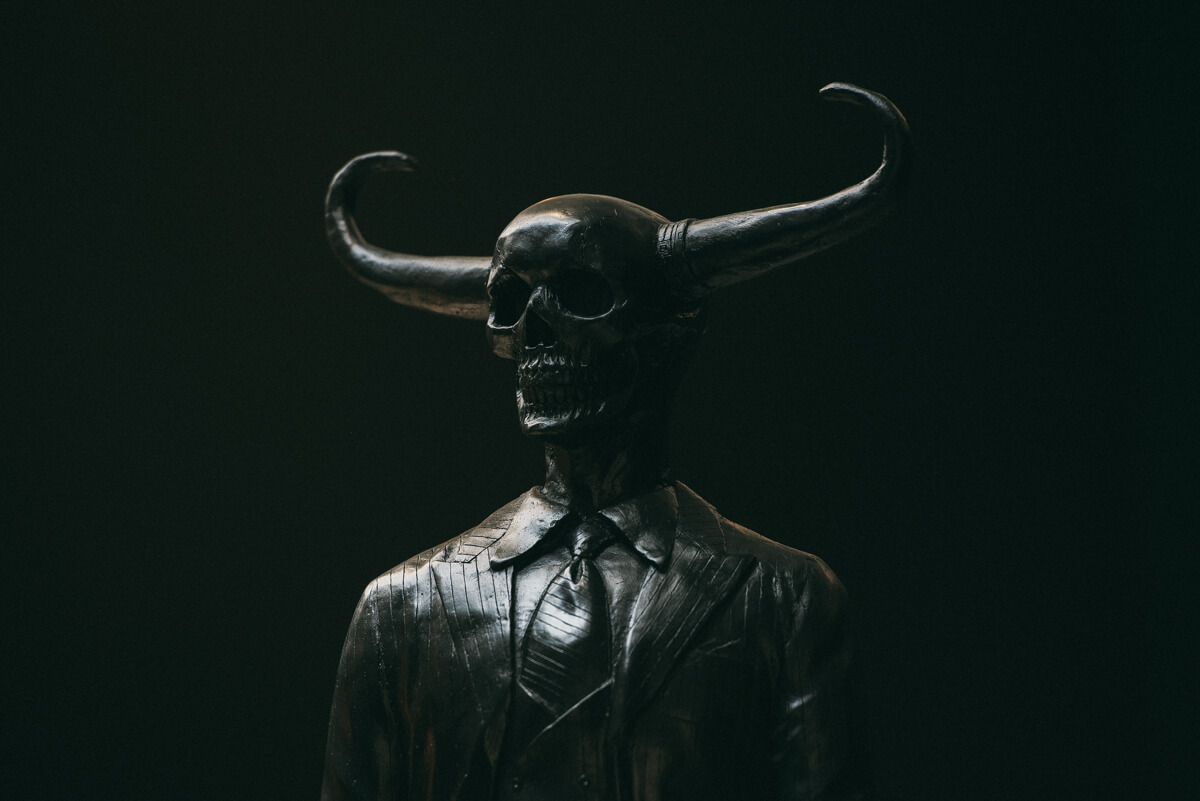
Deadman in Black (2025) by Corcho Rodriguez from the collection of Atchugarry Museum of Contemporary Art.
Although Argentina's surrealist legacy runs deep, and in the work of many artists the line between dream and waking, fantasy and reality, science and magic is blurred, as the genre demands, most exhibitions are, by contrast, rather rational and conventional: either a retrospective or a showcase. Nocturne:Posthuman Dreams, Myths, and the Invisible is not something you simply walk through. It has to be felt and lived, let in, perhaps even collided with. The strange yet precise pairing of objects produces an odd effect: the exhibition seems to look at the viewer just as much as the viewer looks at it. Who is studying whom remains an open question. Then again, the best exhibitions are those where viewers learn something not only about others, but also about themselves.
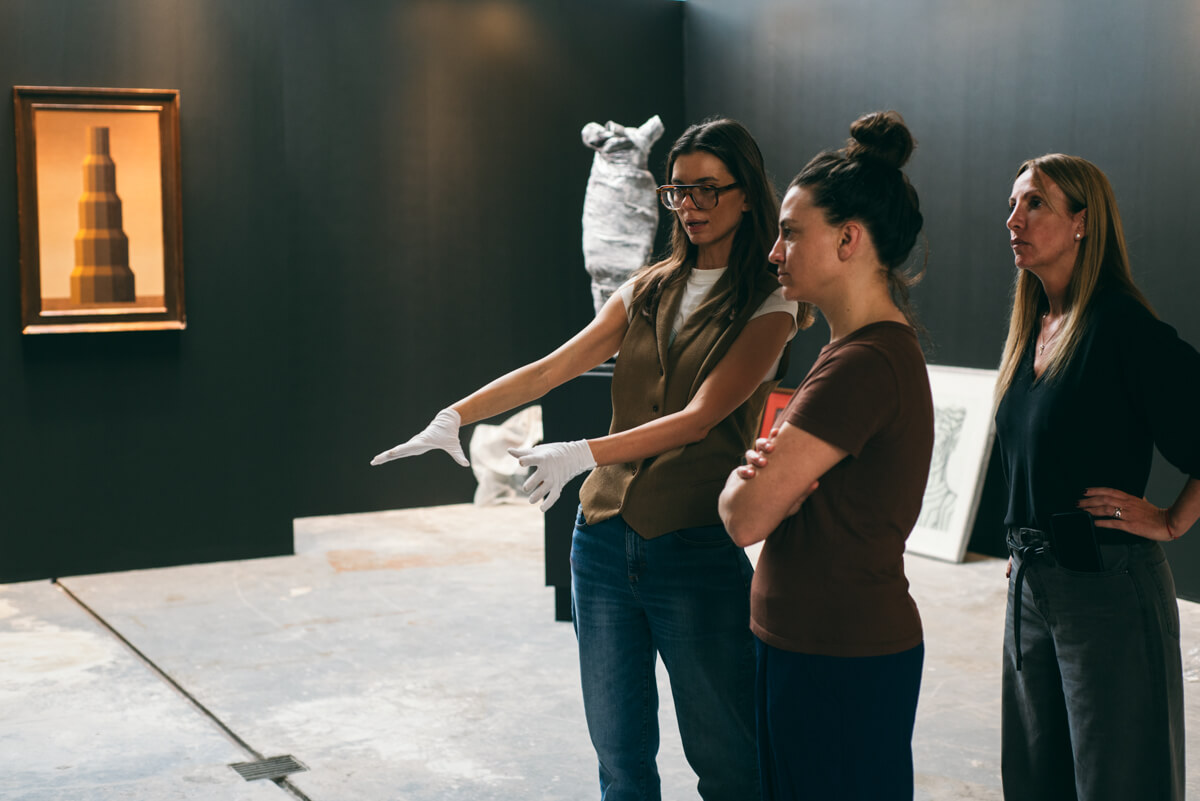
Ekaterina Juskowski, Carolina Kleine Samson and Belen Delany of Little Red Door Members' Club
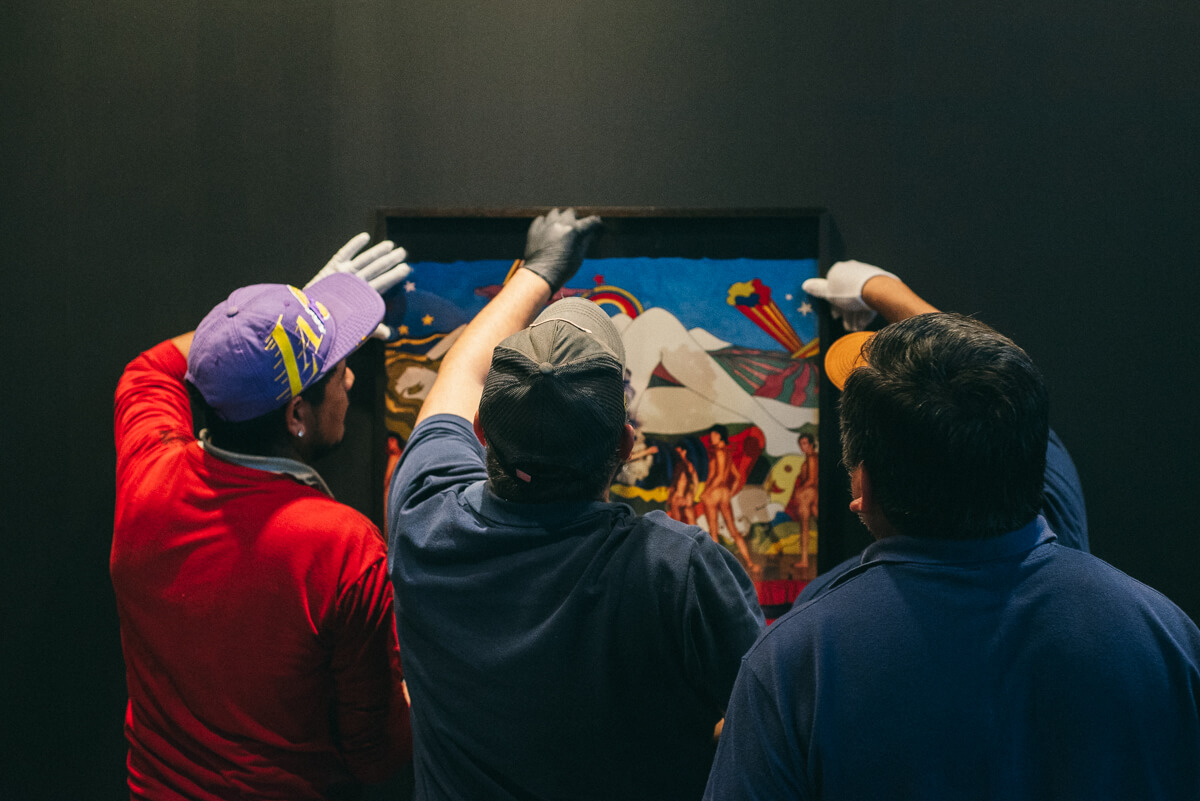
Works by Juan de Dios Mena and Juan Batlle Planas
The objects on display are, of course, about magic. A beloved's hair, gathered from a pillow (Jorge Macchi, A.B., 1998): isn't that part of some secret rite? Dying trees made immortal through a camera obscura (Jonathan Barberi, Satori series, 2024): isn't photography the recipe for eternal life that humanity searches for so desperately, afraid and unable to look beyond the edge? And the flying saucer hovering beside the Obelisk (Joaquín Aras, Fotografía toma directa, 2024)? Isn't it a reflection of how, every day, things happen in our world that only yesterday we thought unthinkable? And isn't there an undertone of anxiety here, a sense that the world is far less understood and far less under human control than we would like to believe?
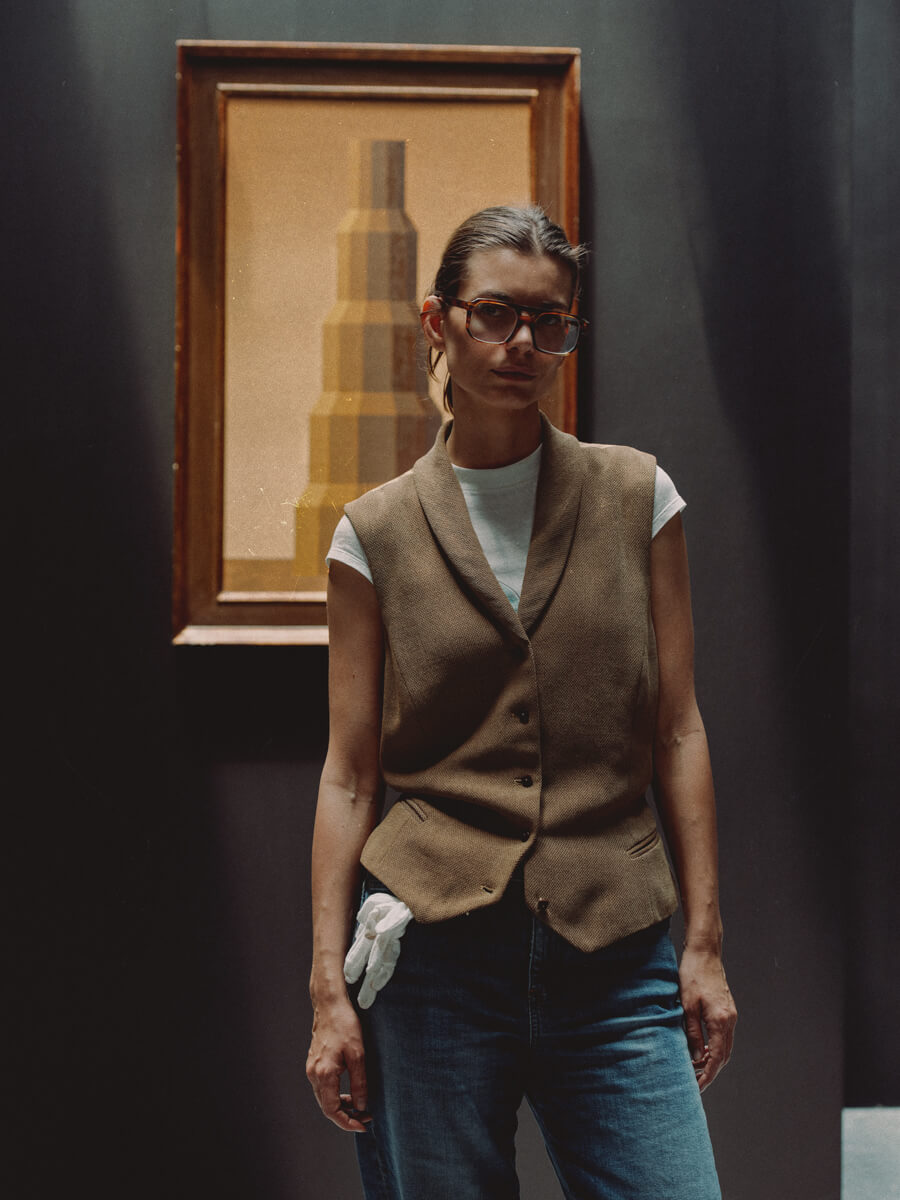
One of the exhibition's central works is Roberto Aizenberg's tower (Untitled, 1990), which in this context reads, naturally, as a magician's dwelling, as if the whole exhibition were contained within it. It is easy to imagine that, stepping through the black gate in Villa Crespo, we have entered that very tower from Aizenberg's painting.
Works by Jonathan Barberi on vie at the Little Red Door Club
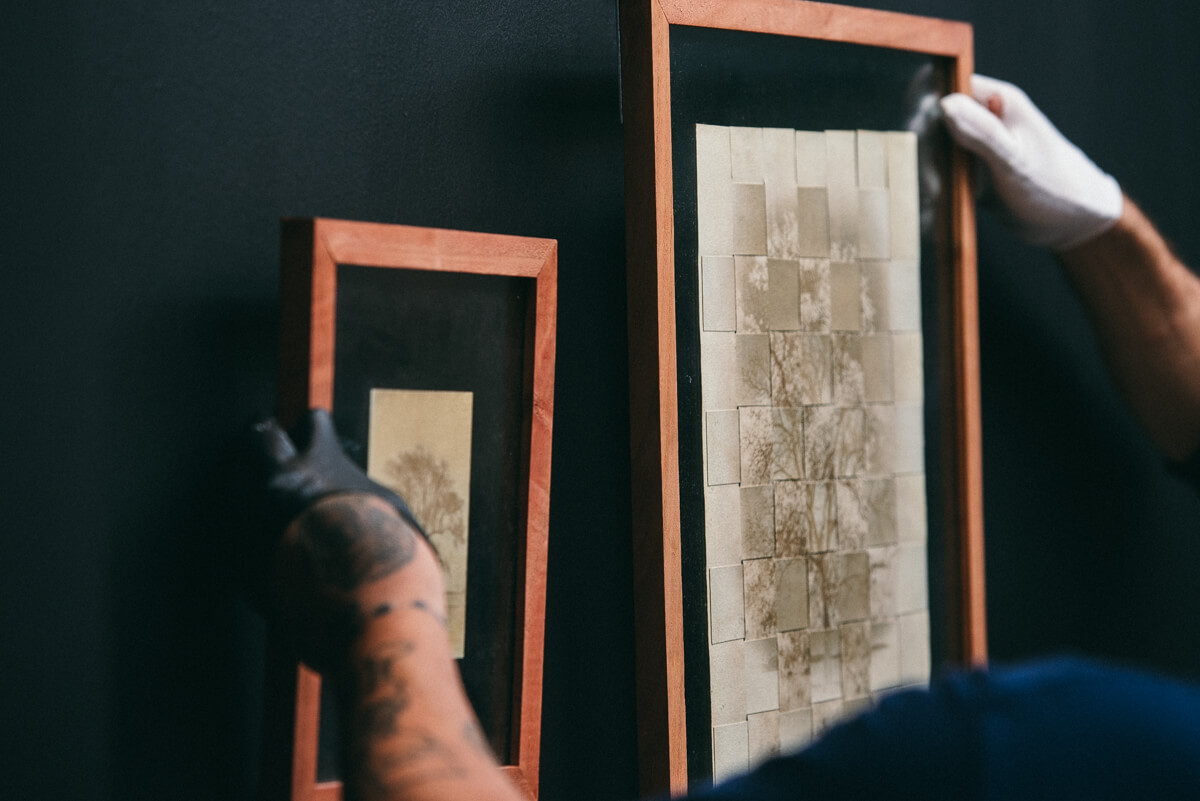
Works by Jonathan Barberi on vie at the Little Red Door Club
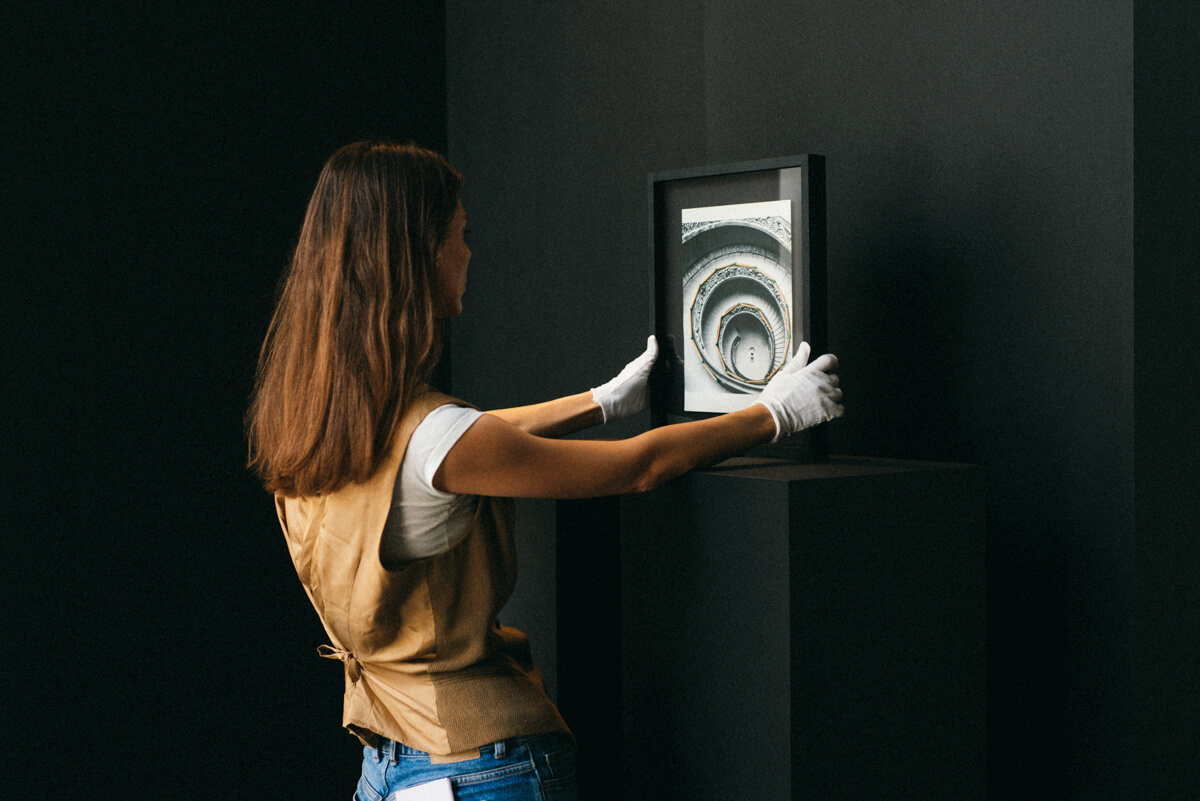
Curator Ekaterina Juskowski with the work by Maximiliano Ocampo Salinas
And, true to fairy-tale tradition, the master of the castle (or the tower) is present unseen: his works are hidden among the others. Those who know, know. Those who don't, don't need to.
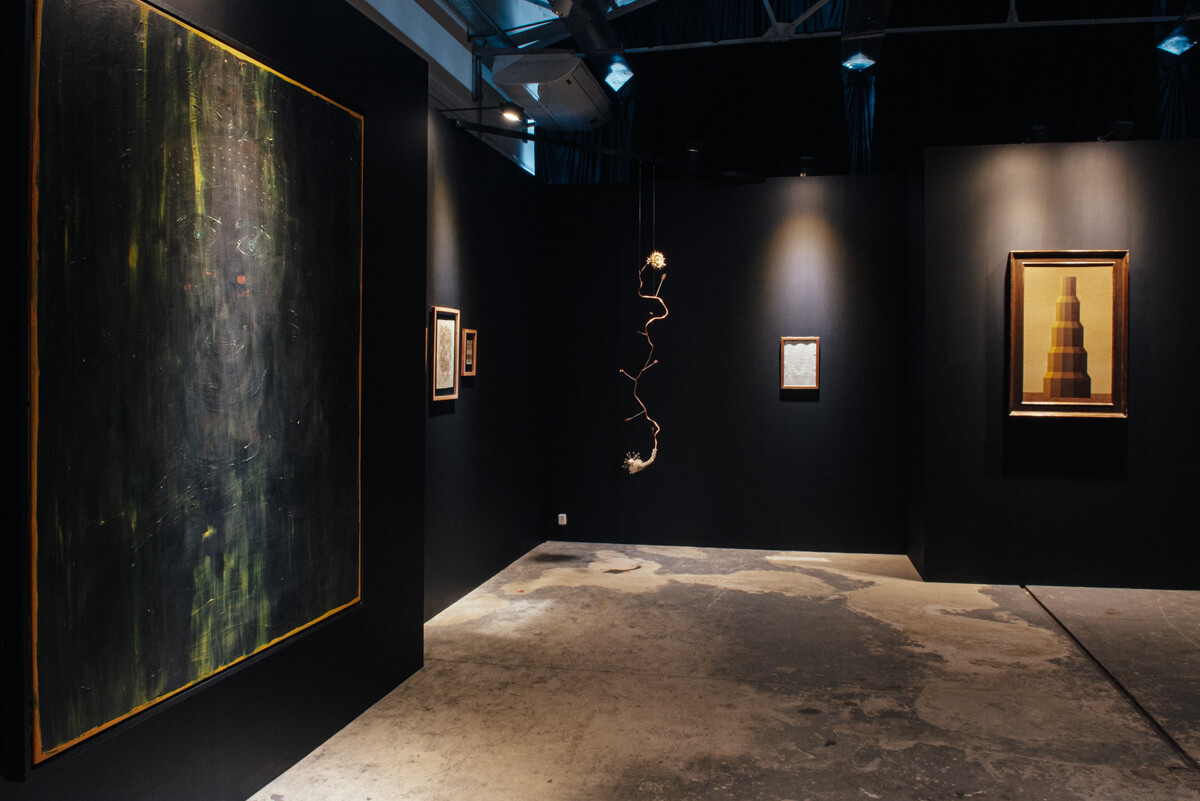
Nocturne:Posthuman Dreams, Myths, and the Invisible at the Little Red Door Members' Club
Nocturne: Posthuman Dreams, Myths, and the Invisible runs until December 13, 2026, and is part of Mnemosyne Projects, the international curatorial platform founded by Ekaterina Juskowski in 2024 on the Greek island of Hydra. A research-driven arts organization, Mnemosyne Projects explores how histories are constructed, transmitted, and transformed, developing annual thematic inquiries expressed through exhibitions, publications, residencies, fieldwork, and public programs. Nocturne marks its Buenos Aires debut.
By appointment only
November 2 – December 13, 2026
Little Red Door Club, Villa Crespo, Buenos Aires
To request the catalogue or schedule a visit, contact nocturne@mnemosyneprojects.org

Matias
Iesari
Matías Iesari is an Argentine photographer and visual artist based in Buenos Aires. With over 20 years of professional experience, he specializes in fine art reproduction photography, working with museums, artists, and cultural institutions to document artworks to the highest standards. Alongside his professional practice, he develops personal projects in documentary and fine art photography, exploring everyday life, cultural identities, territories, and human experience. His work combines technical precision with an authorial approach to visual storytelling, capturing the essence of people, places, and their cultural environments.
Matias Iesari
Matías Iesari is an Argentine photographer and visual artist based in Buenos Aires. With over 20 years of professional experience, he specializes in fine art reproduction photography, working with museums, artists, and cultural institutions to document artworks to the highest standards. Alongside his professional practice, he develops personal projects in documentary and fine art photography, exploring everyday life, cultural identities, territories, and human experience. His work combines technical precision with an authorial approach to visual storytelling, capturing the essence of people, places, and their cultural environments.